Stage Direction + Set Design
Staged Recital | O teu olhar sobre mim – Onírico Feminino
Music > Boulanger, Schumann, Rachmaninoff, Beach, Lopes-Graça, Montsalvatge, Alves de Sousa, Braga Santos, Piazzolla | Texts > Chamisso, Heine, Pleshcheyev, Beketova, Tyutchev, Maeterlinck, Delaquys, Queiroz, Pessoa, Valdés, Pascoaes, Albano, Camões, Ferrer | Dramaturg, Stage Director & Set Designer > Pedro Ribeiro | Soprano > Elisabete Matos | Pianist > Maciej Pikulski | Production > Theatro Circo – Braga, PTG | © Images by Ana Maria Dinis (TC) | Sketches by Pedro Ribeiro | 2026
Director’s note
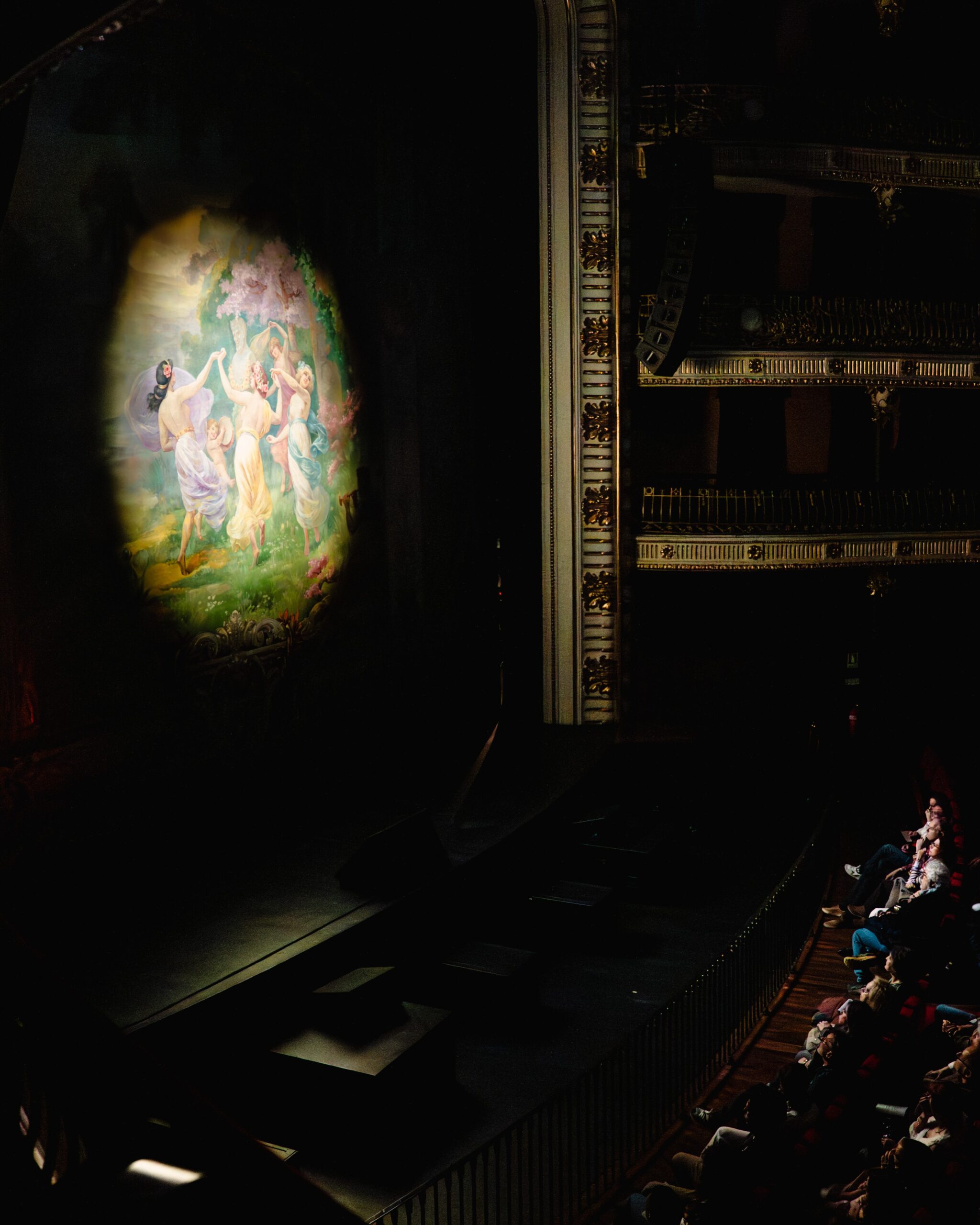
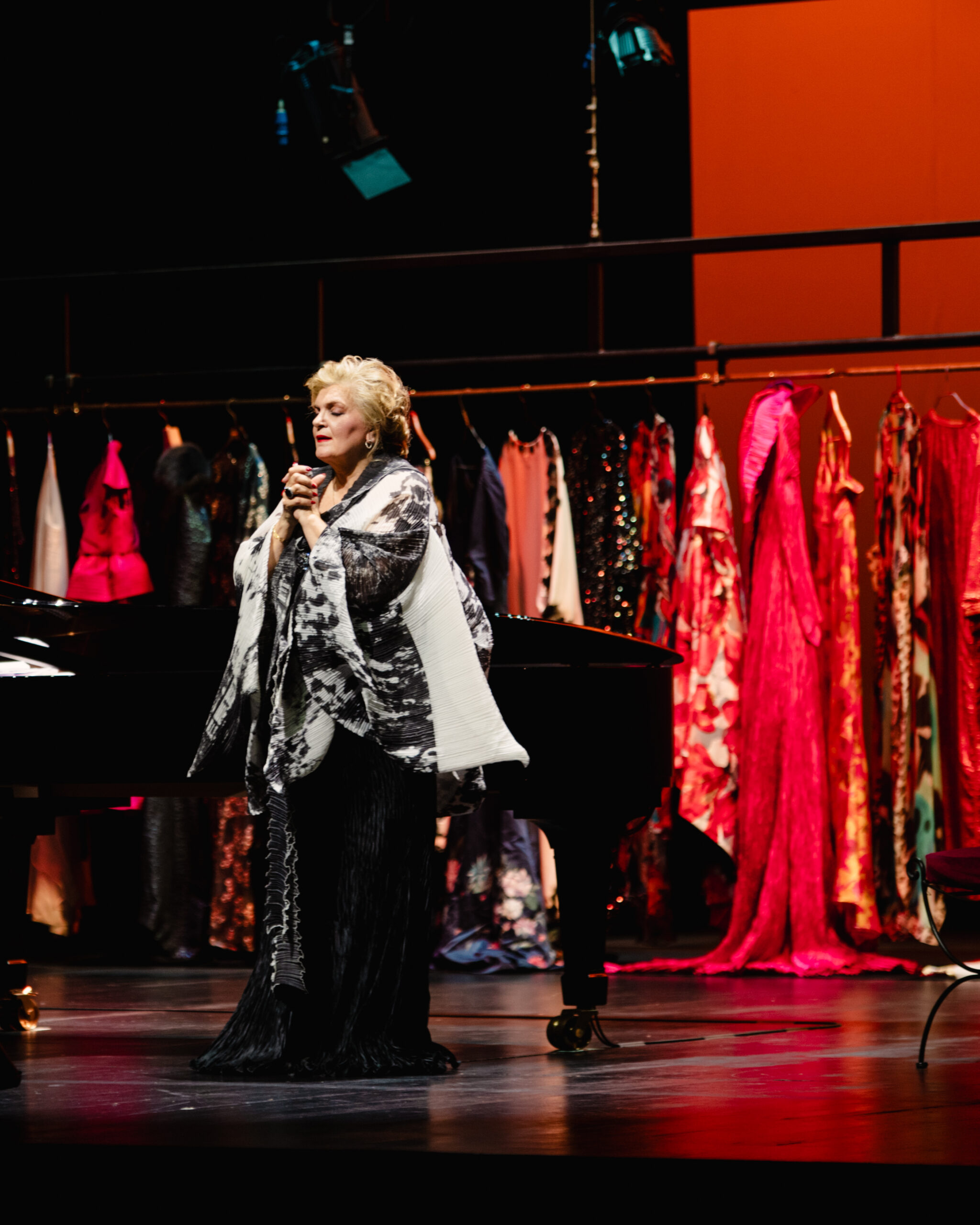
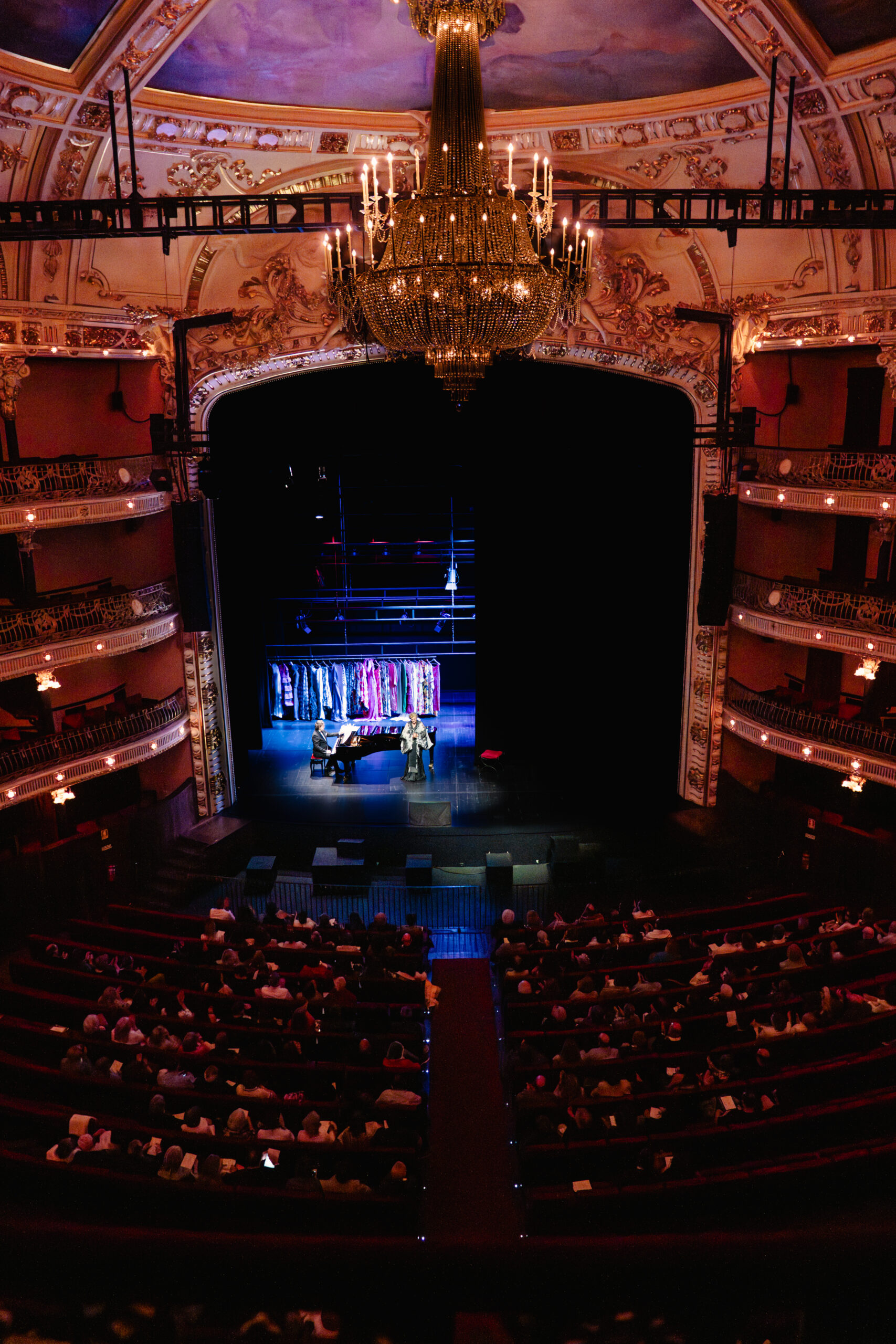
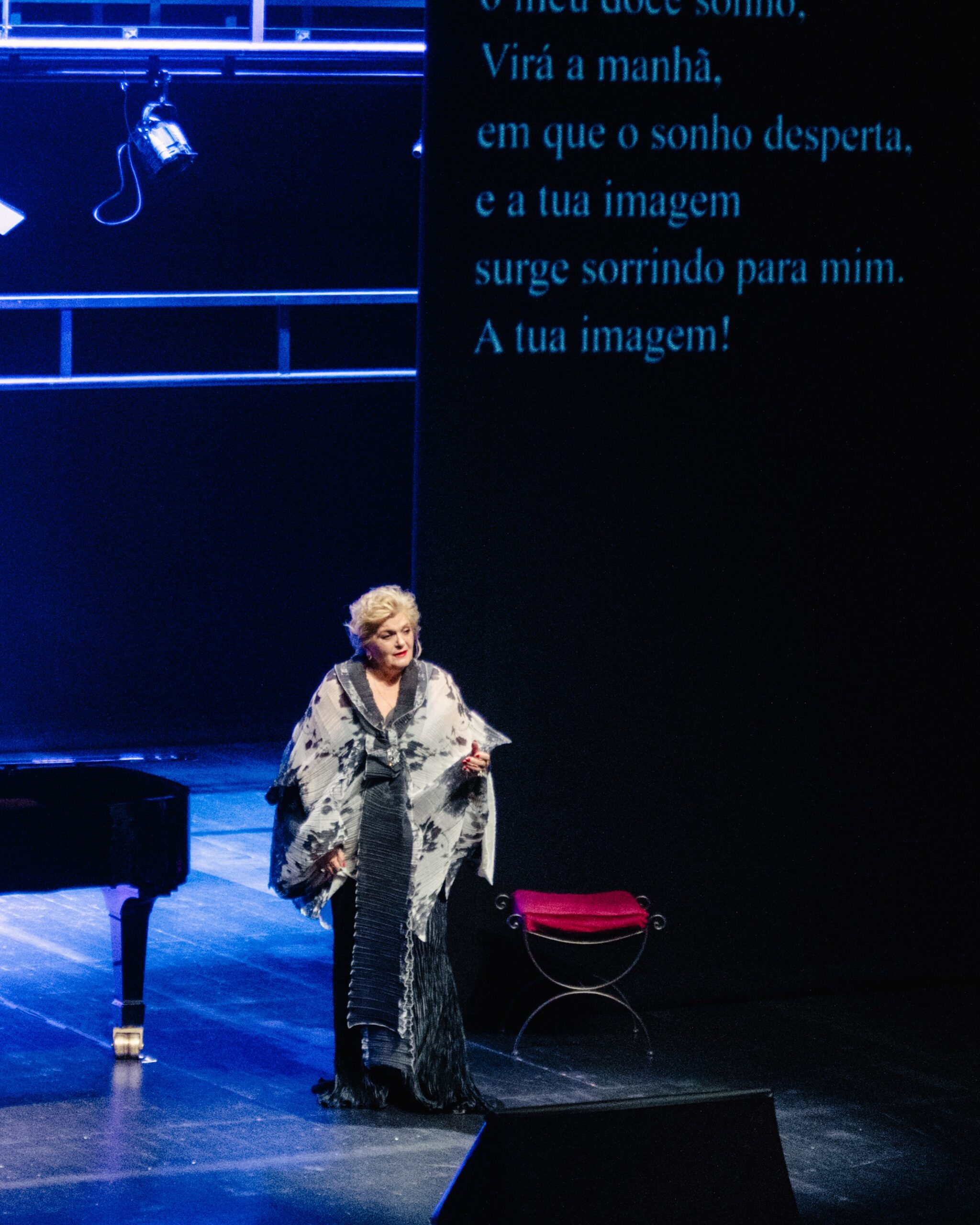
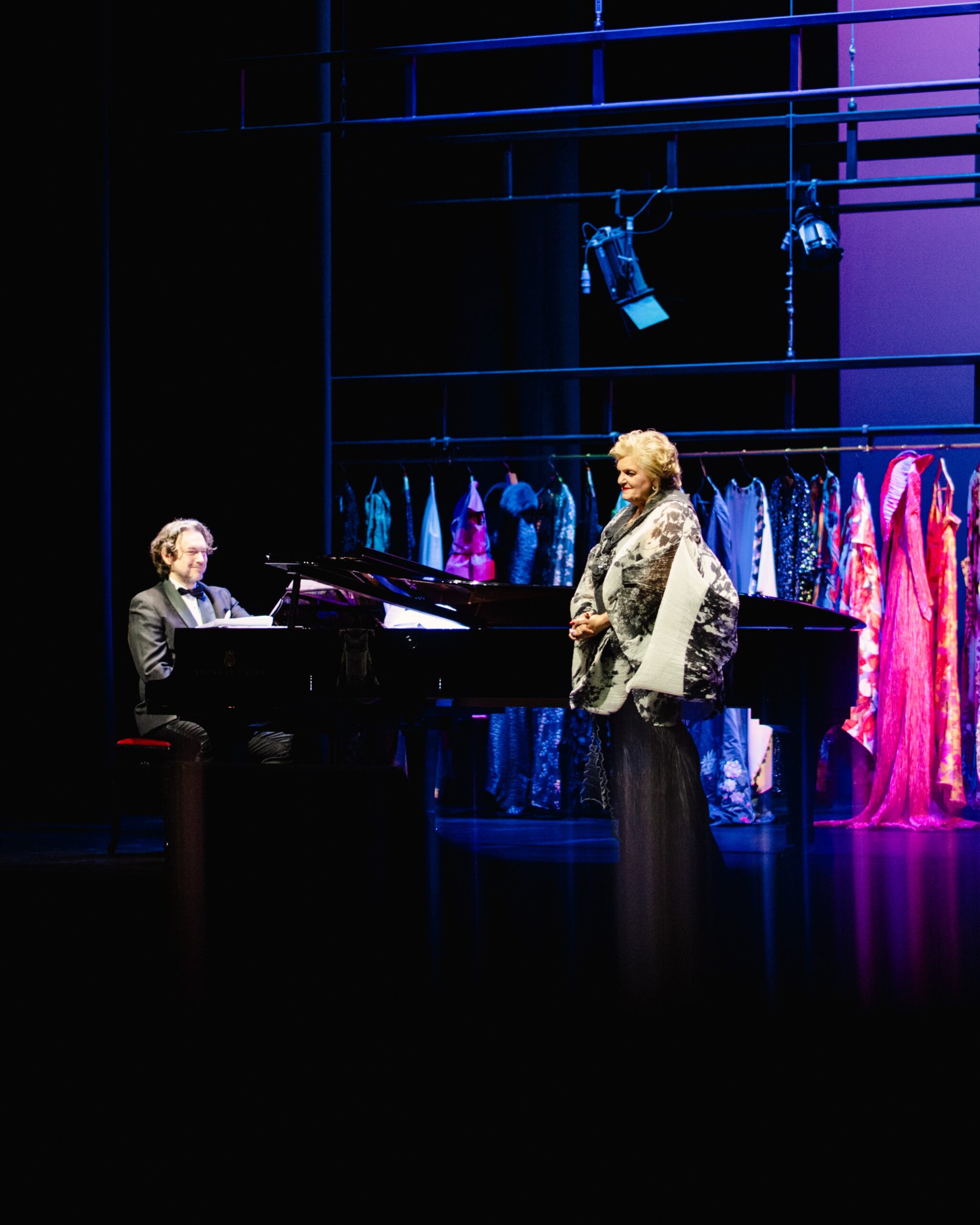
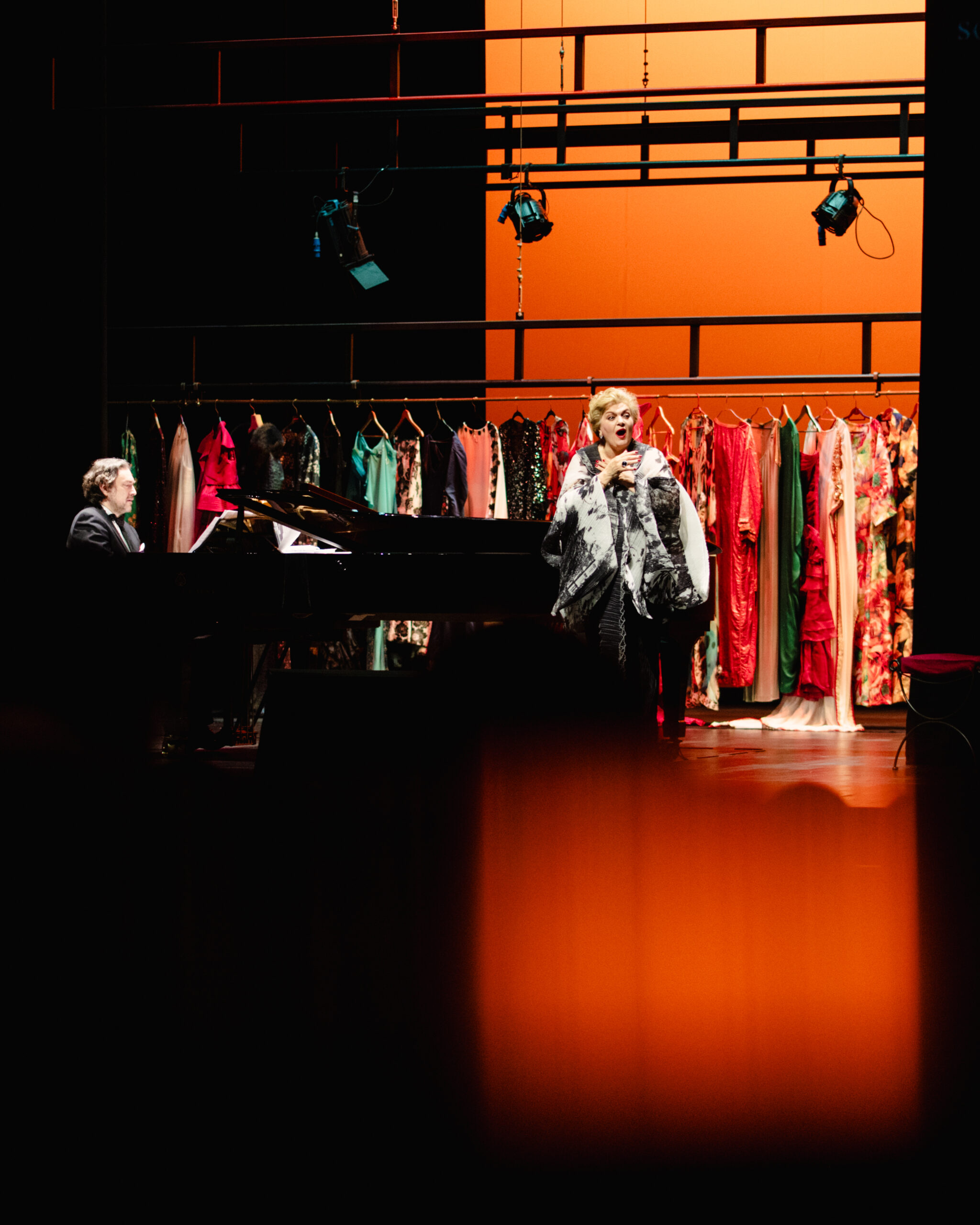
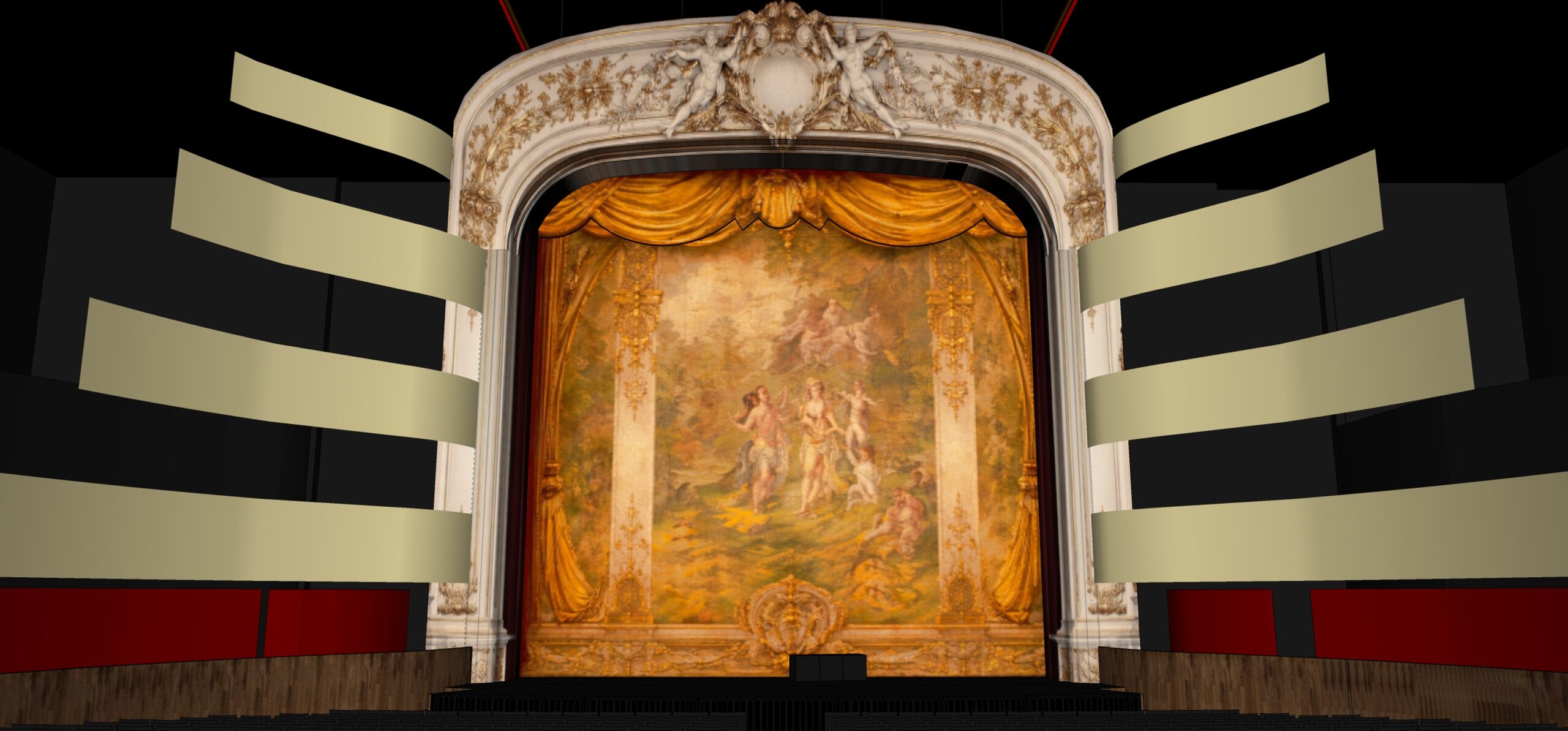
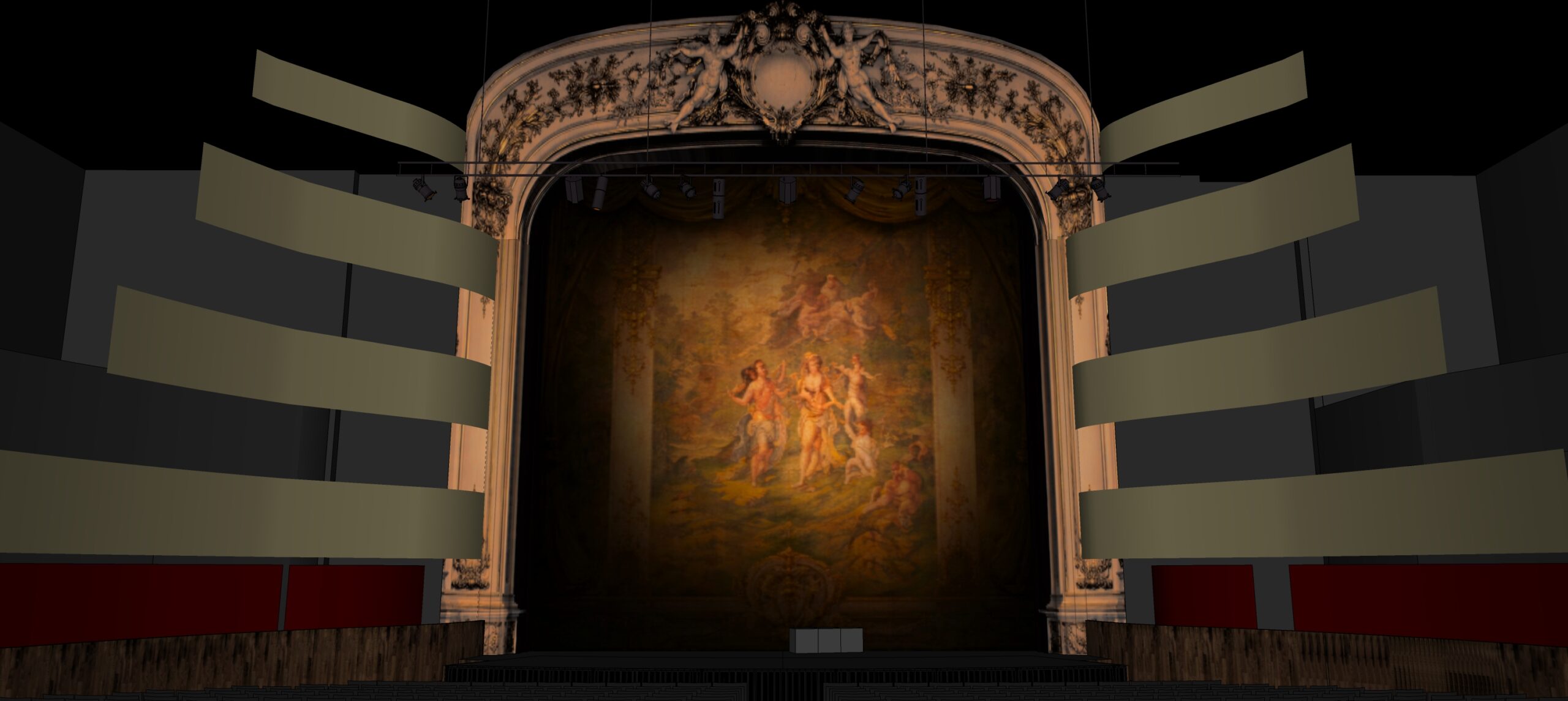
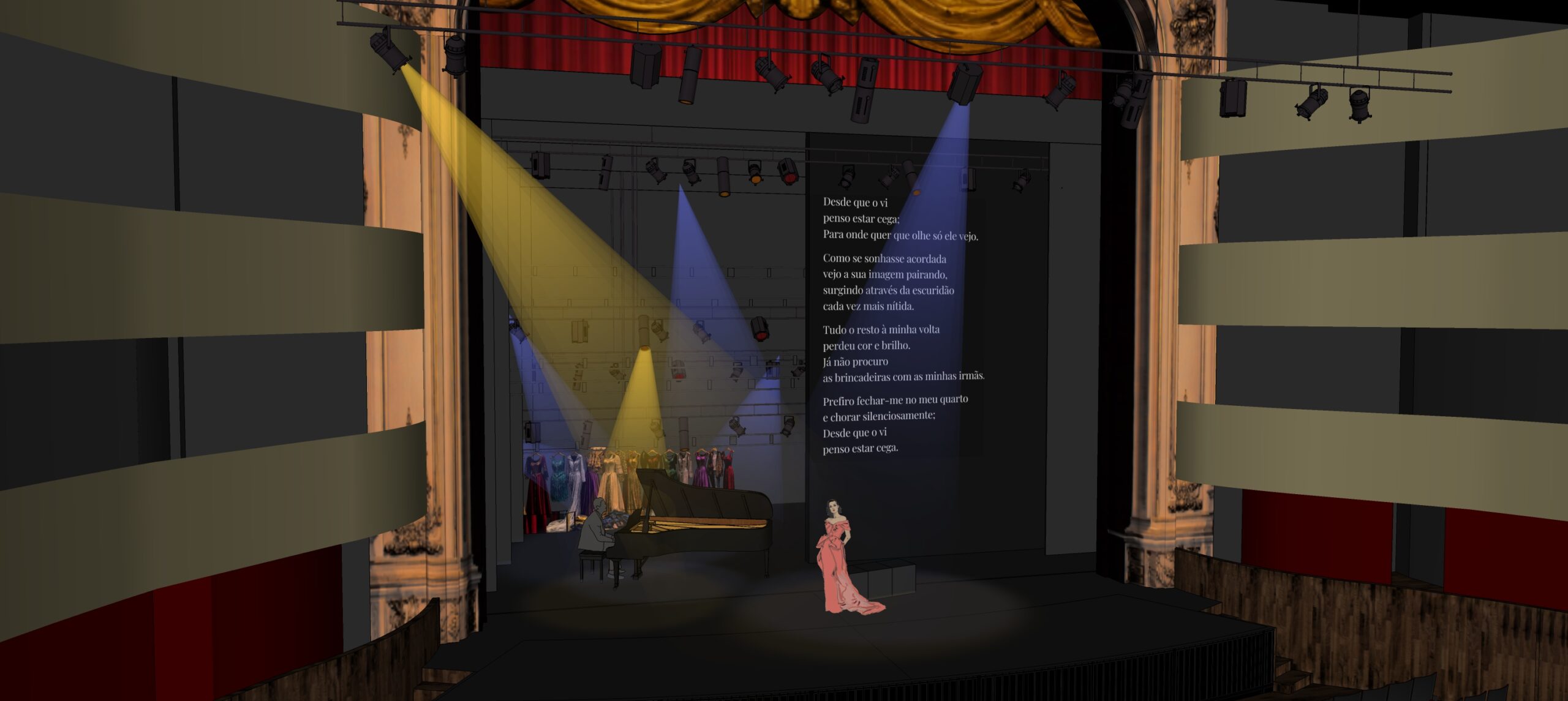
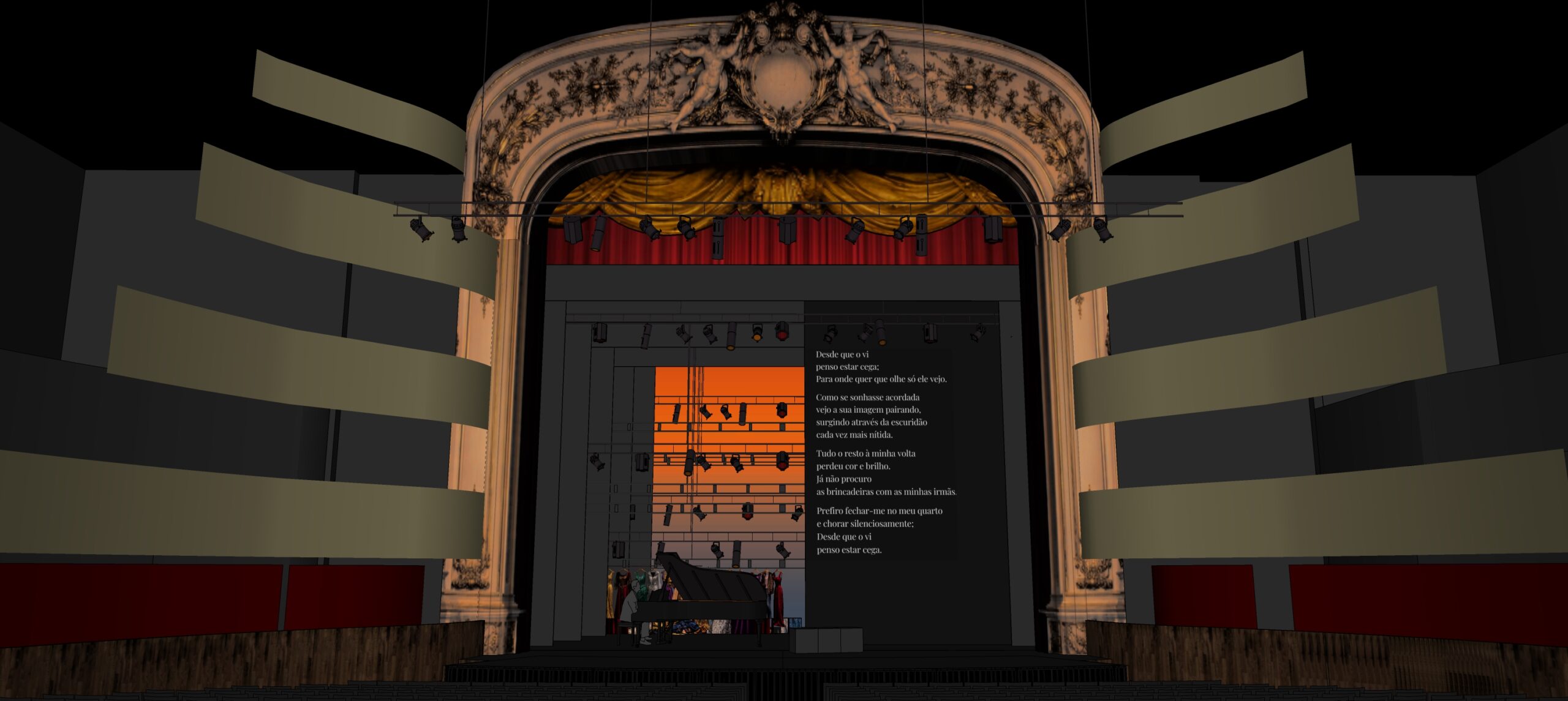
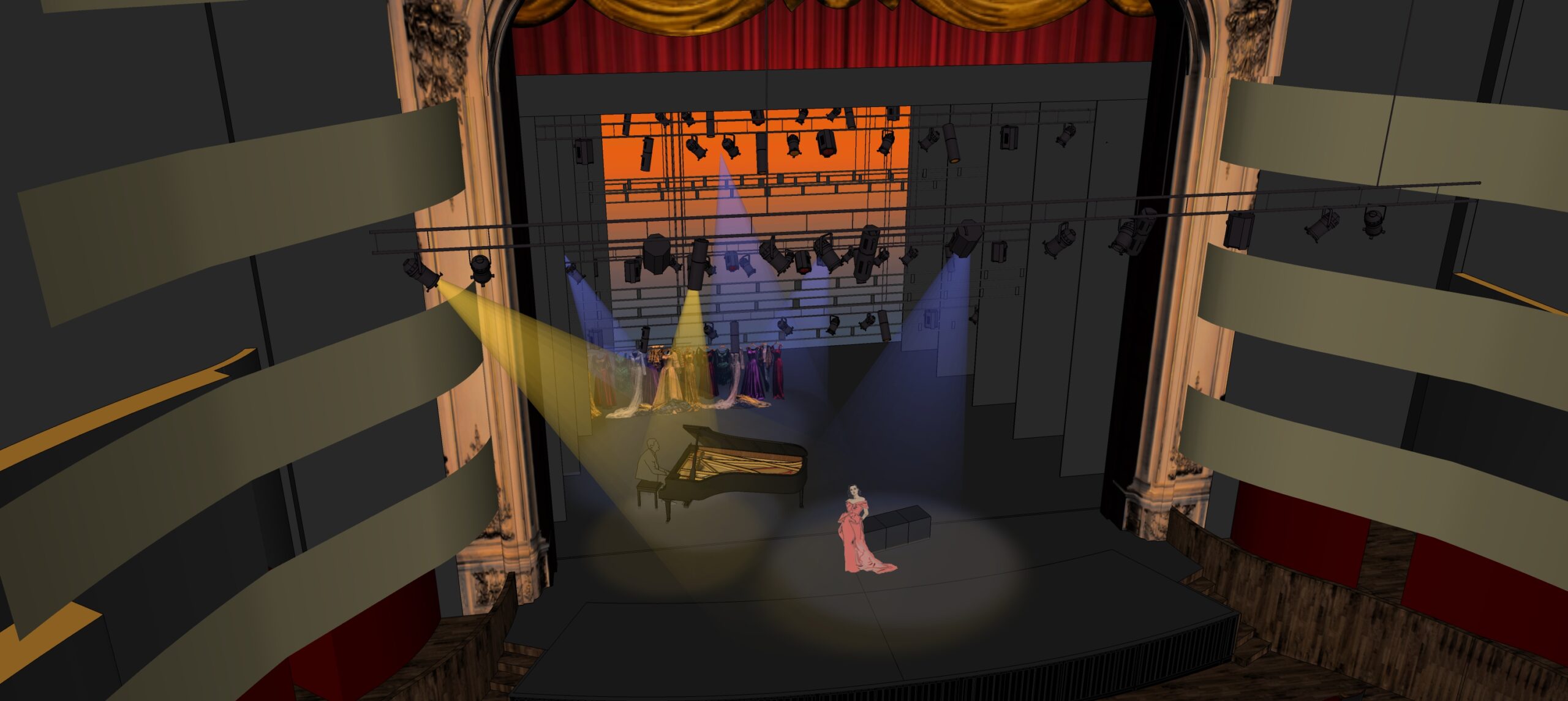
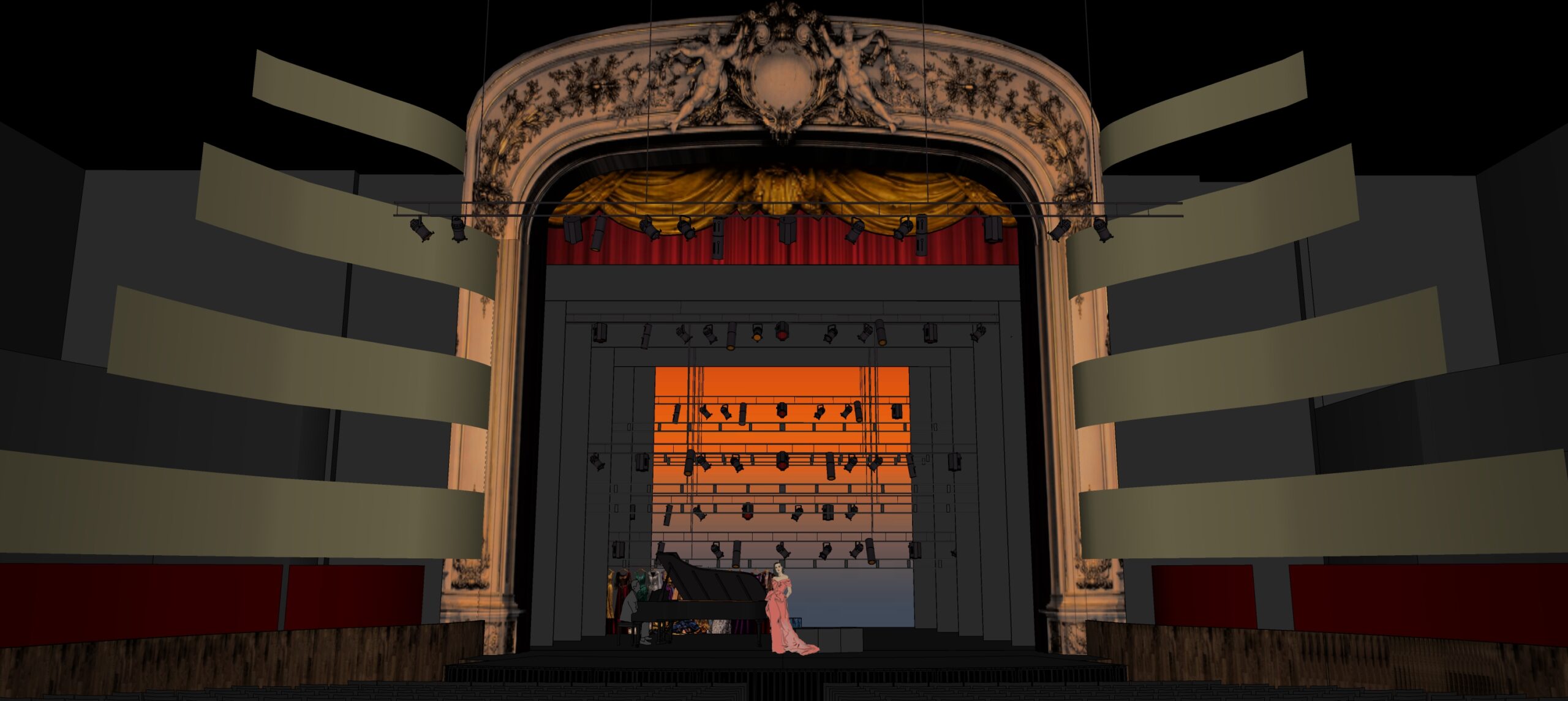
Powerful. Vibrant. Passionate. Dramatic. Resilient. Intense. Vengeful. Impressive. Who lies behind these adjectives? Who lives under such a dizzying characterization? When we look at a figure dominating a stage, it’s easy to see them as something almost mythical, distant from us. As if art demanded an extraordinary, or even divine, nature. And yet, behind the image that the public always perceives, there are always backstage areas: spaces of fragility, solitude, memory, and transformation. This recital is born from this question. It seeks to look at the other side of an artist, at the threshold where life and art meet through a dreamlike and profoundly feminine universe that traverses the stories that the music evokes here. So, on this stage, we enter the backstage of a life. We expose what normally remains hidden: suspended costumes, set pieces, projectors, fragments of theater that suggest the ritual of preparation and metamorphosis. Between reality and dream, the works become passages between different existences. Like memories and music itself, they are born and dissipate, revealing their ephemeral nature. Under the gaze of the three classic allegories on the Theatro Circo’s screen (Drama, Music, Comedy), a journey begins towards a new life (N. Boulanger), traversing the expectations and love of a woman (Schumann), the evocation of dreams and nature in transformation (Rachmaninoff), until reaching the nocturnal space of imagination and memory (L. Boulanger, Beach). From this night begins a new day where maturity is reached in social confrontation and motherhood (Lopes-Graça, Montsalvatge), in spirituality (Alves de Sousa), in the mortal power of love (Braga Santos), and culminating, finally, in a dizzying escape to freedom (Piazzolla). Theatre and music allow us to feel beyond the words that seem to define someone. This is essentially the heart of a live show – the immediate human connection, which transforms those adjectives into something much simpler, more honest, unique, and our own. Between the past and the future, each artist carries many faces and destinies, many “other selves.” We don’t want to uncover a single truth, only to question whether we truly know the person behind the artist.