Stage Direction, Set & Costume Design
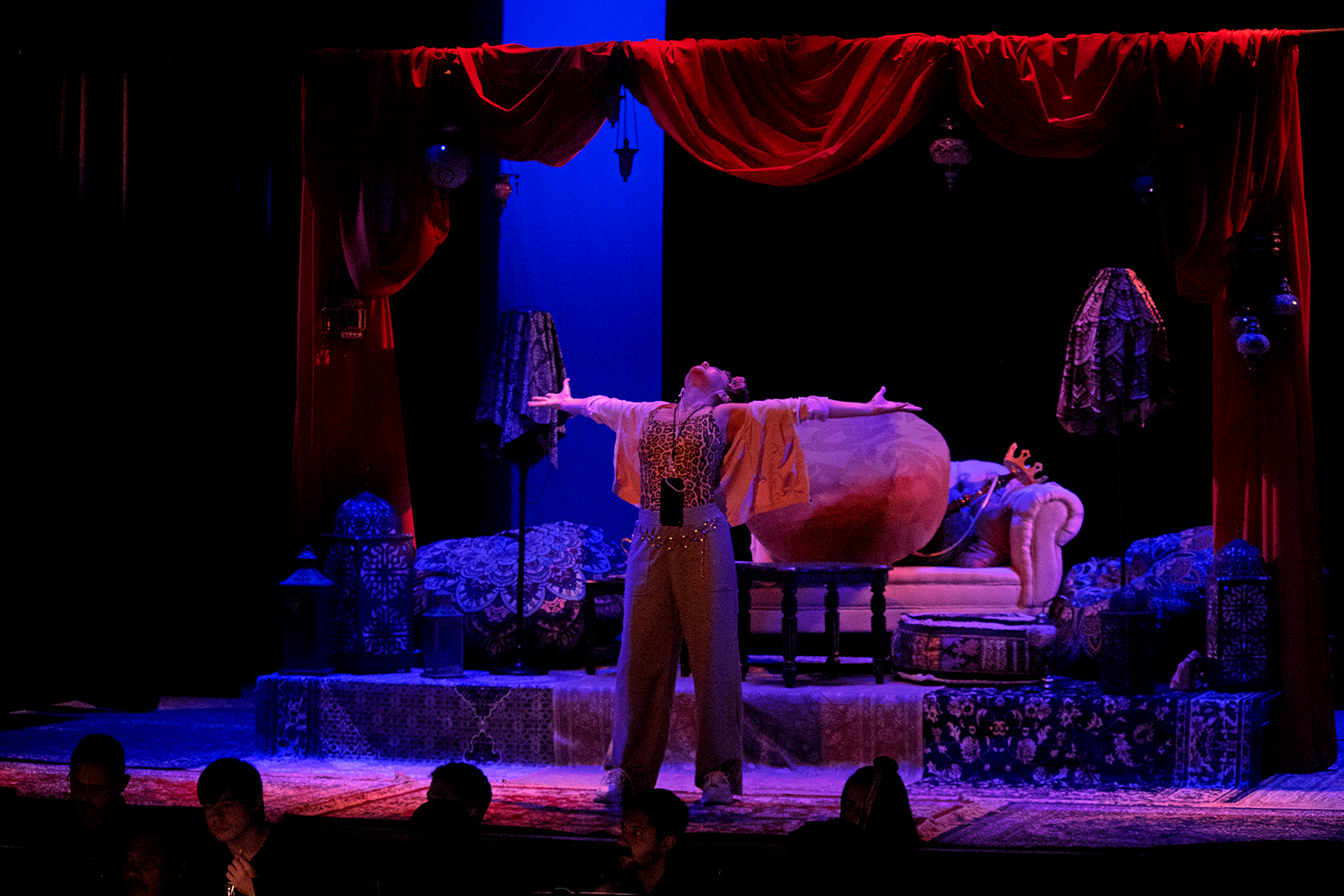


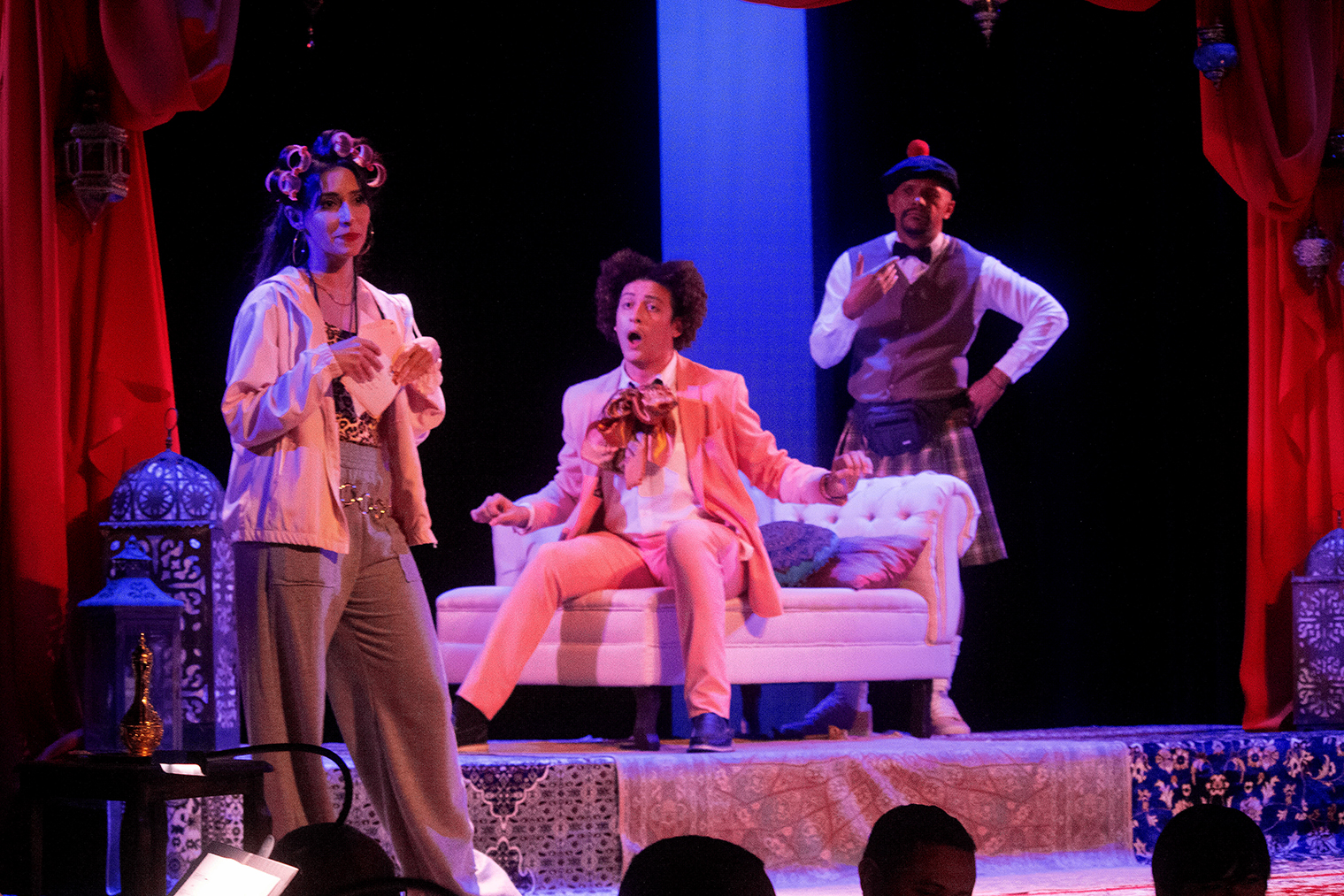


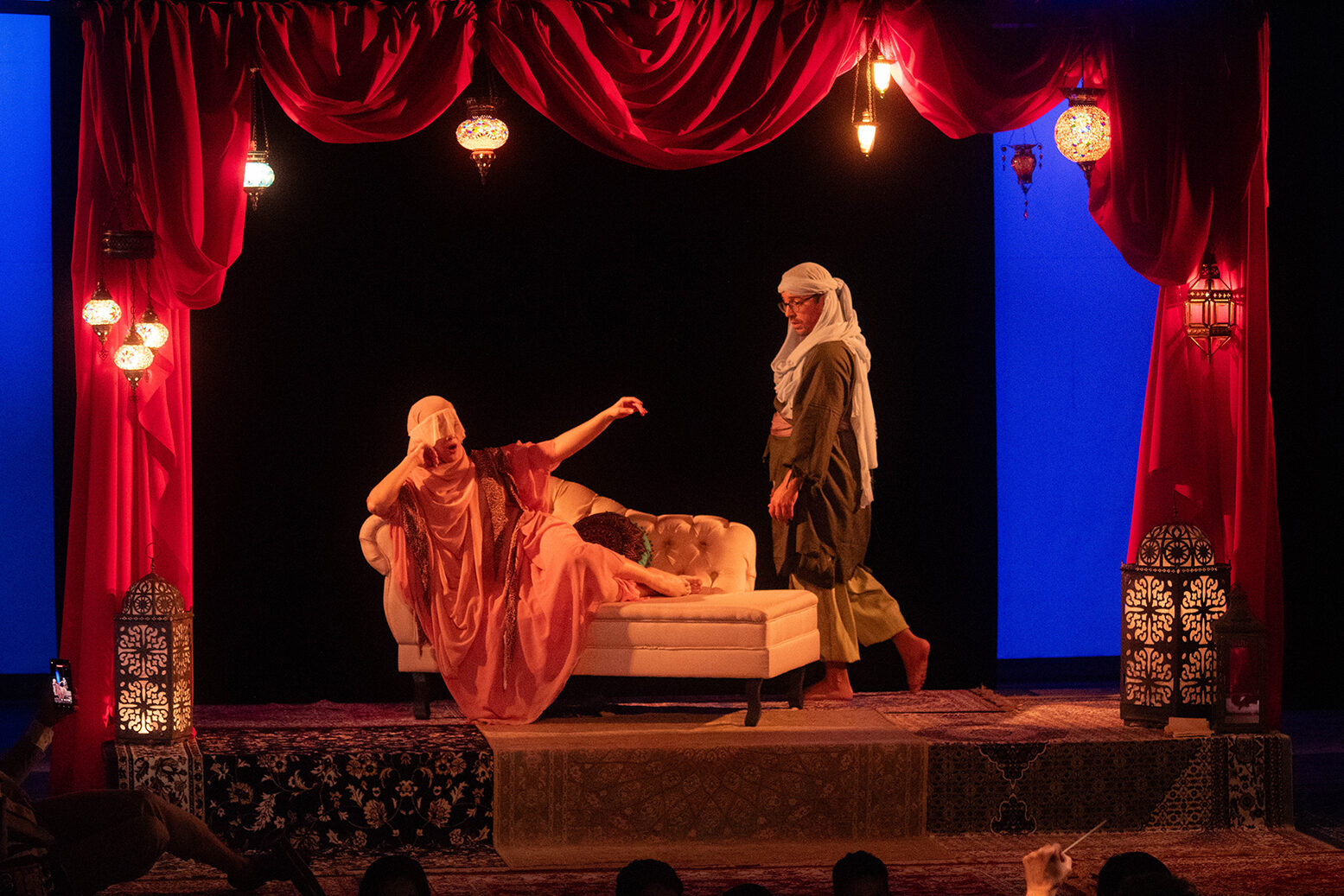
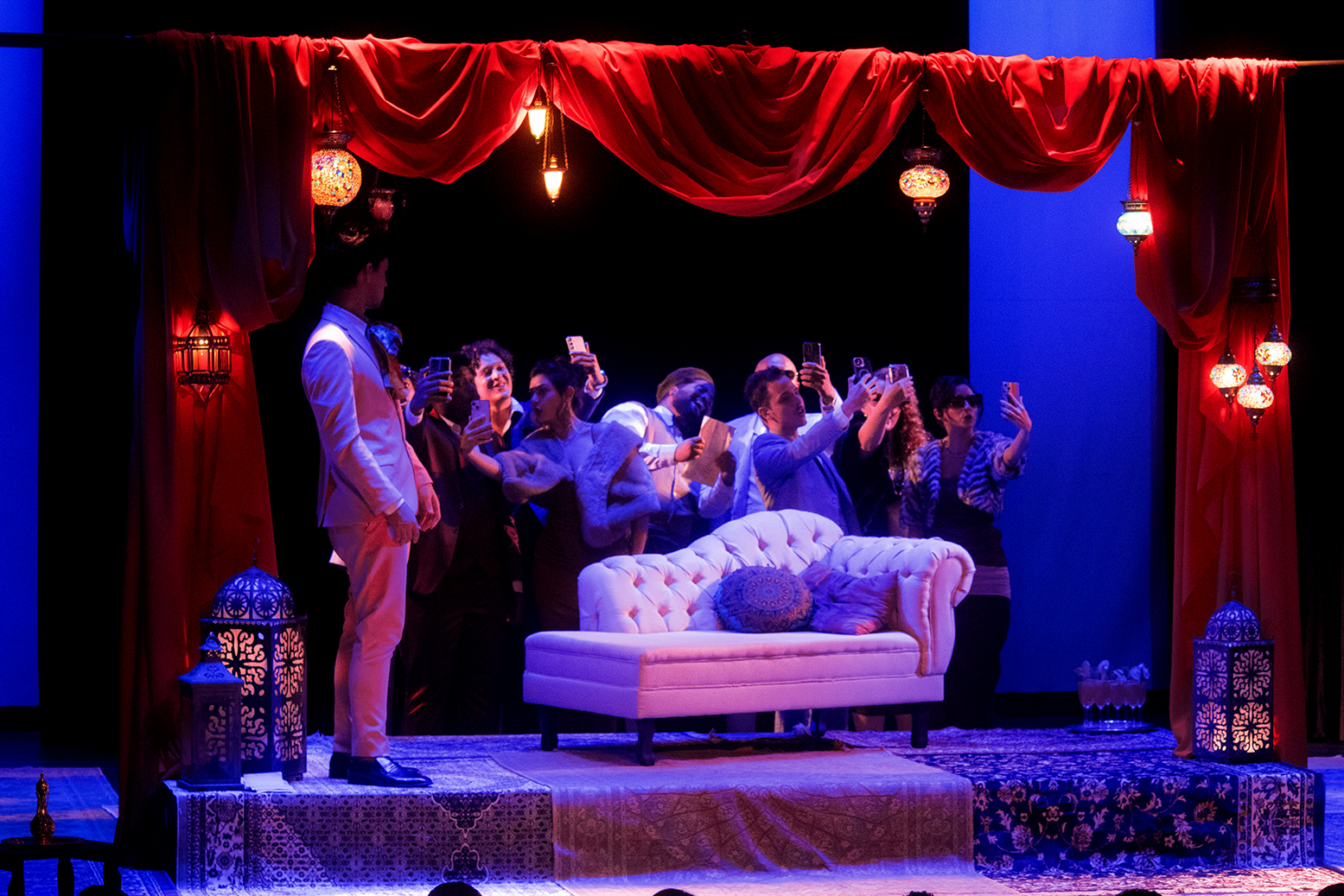





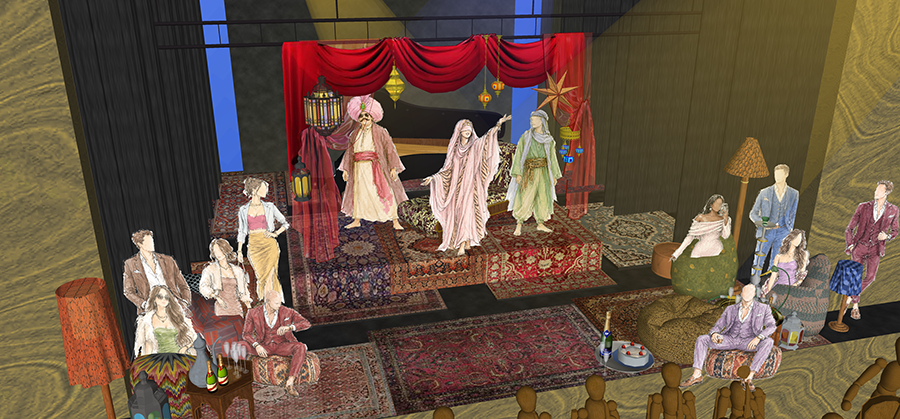
Design Sketches
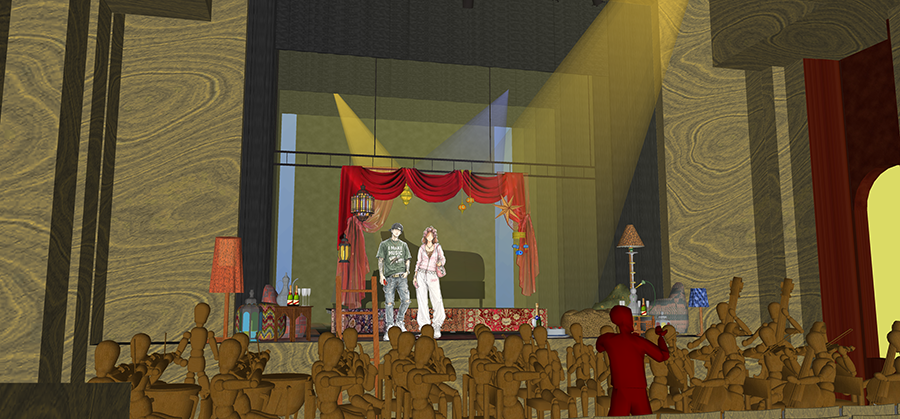
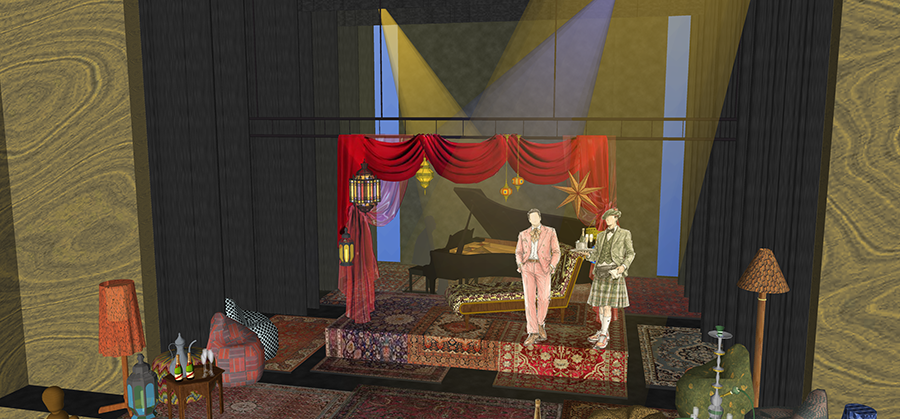
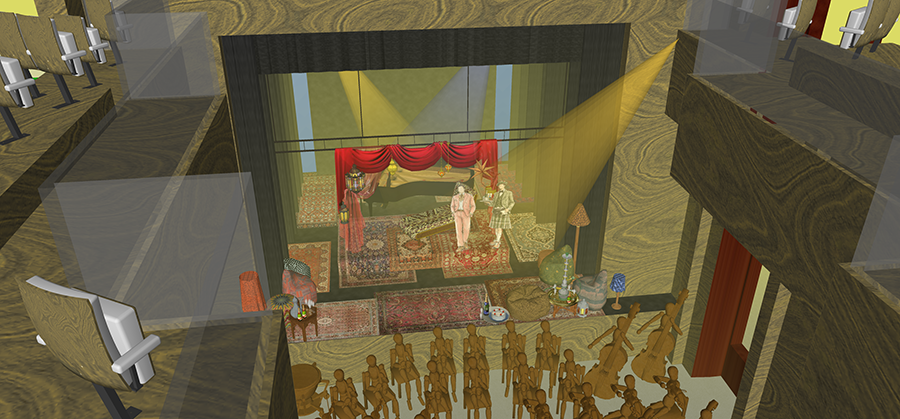
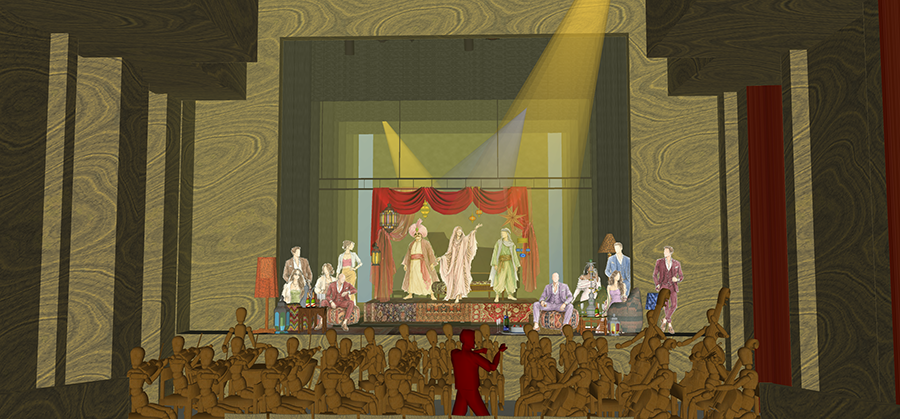
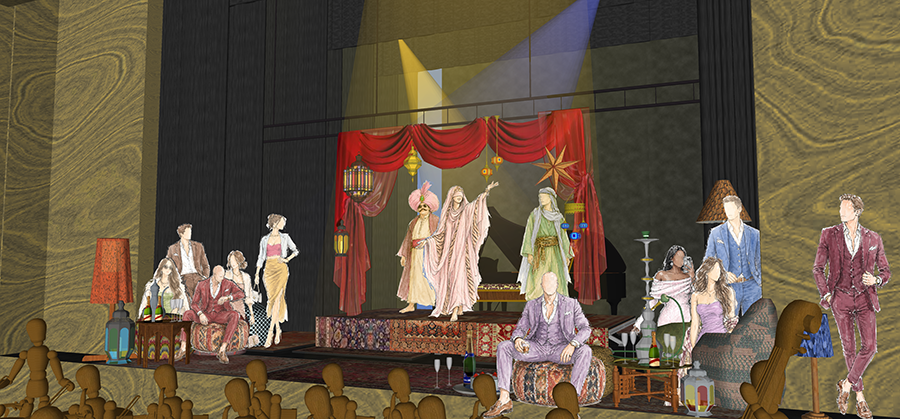
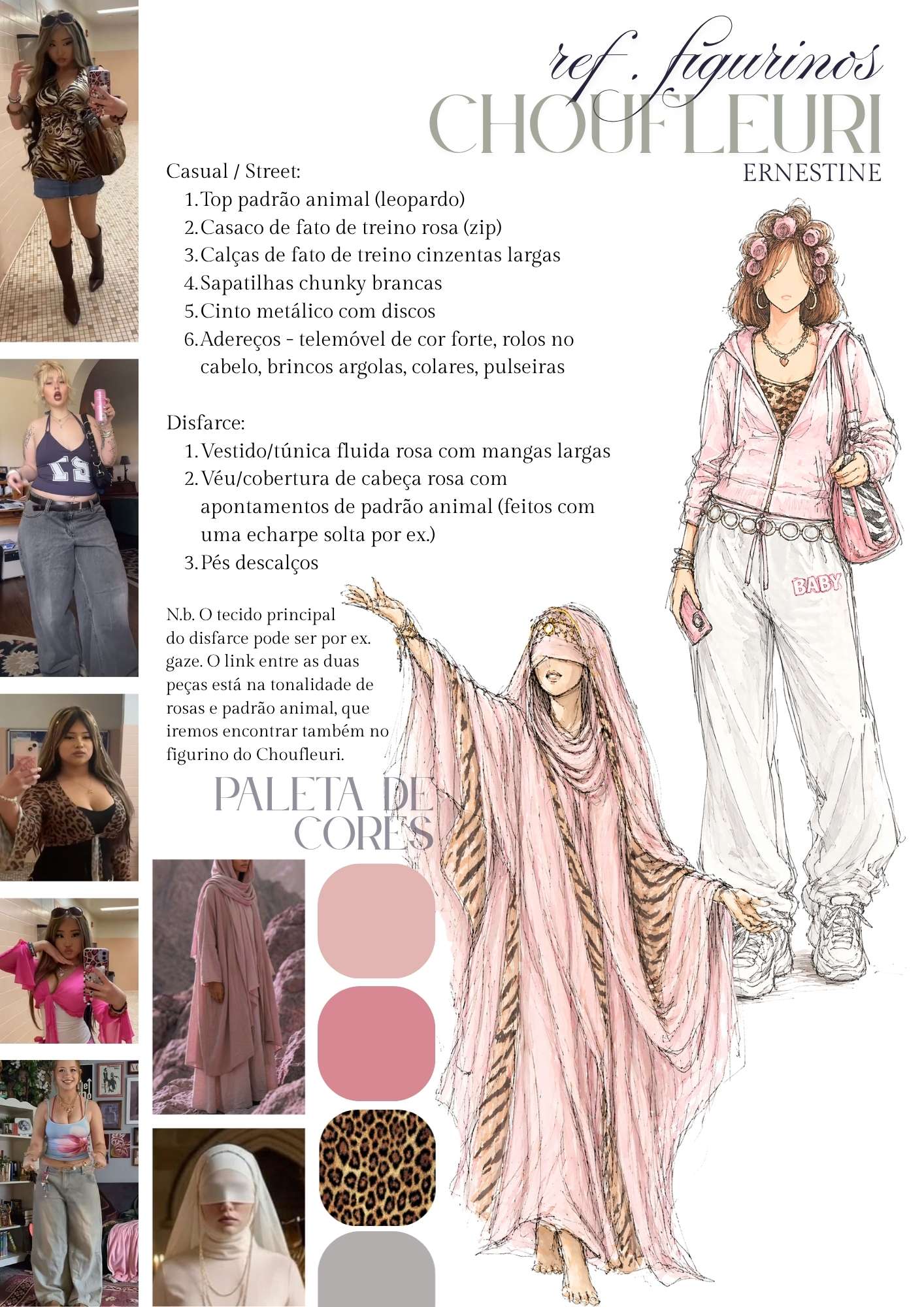
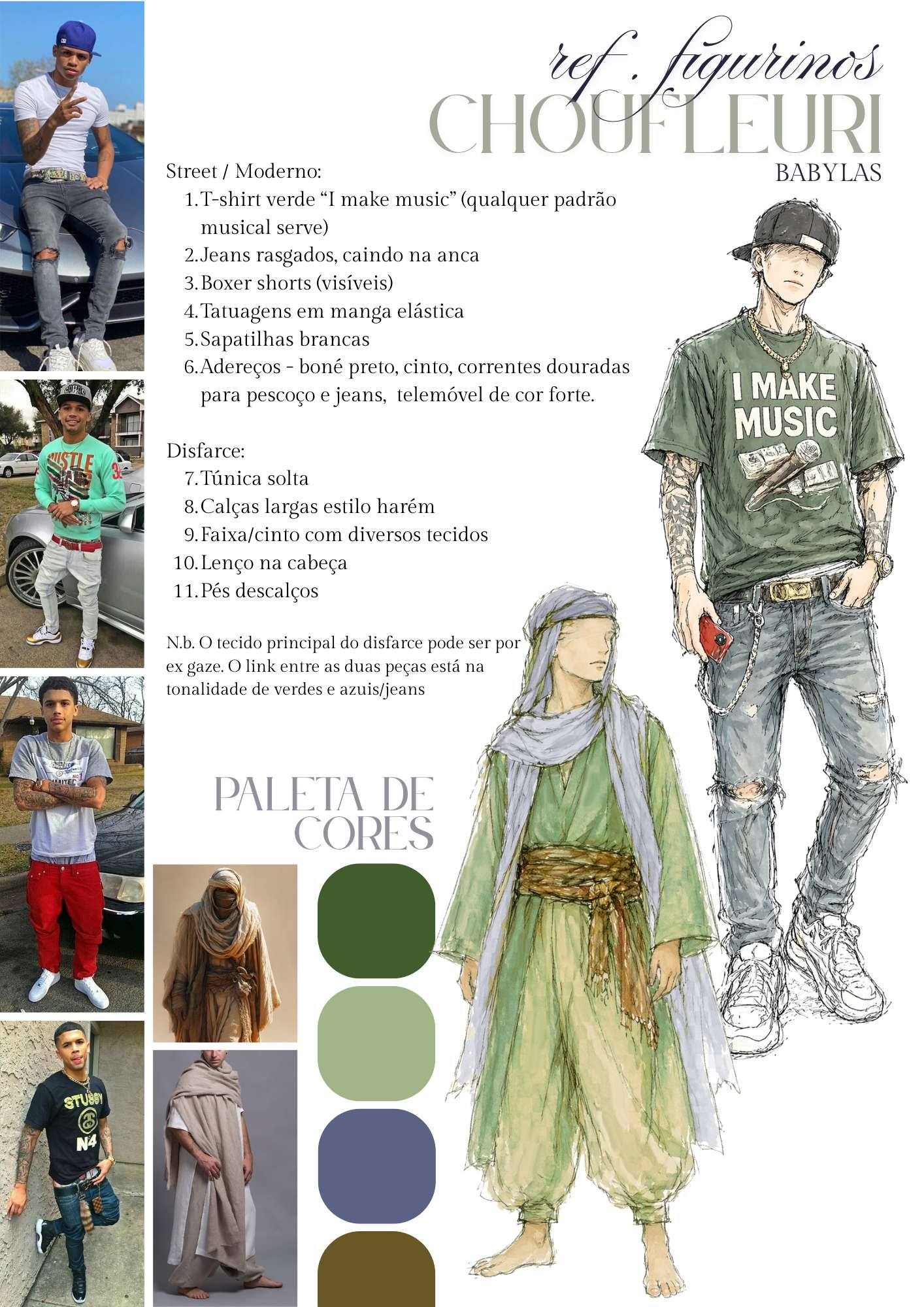
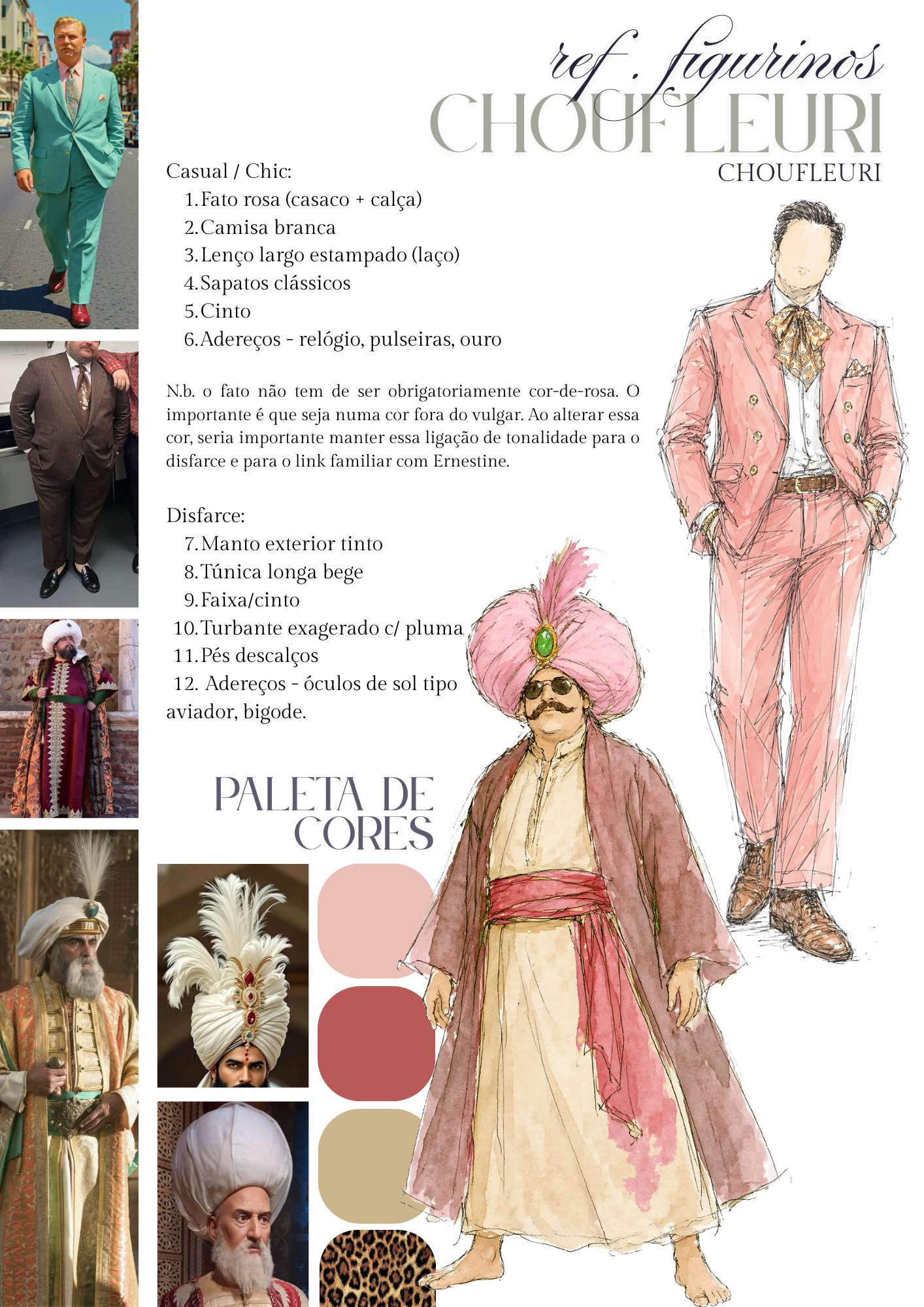
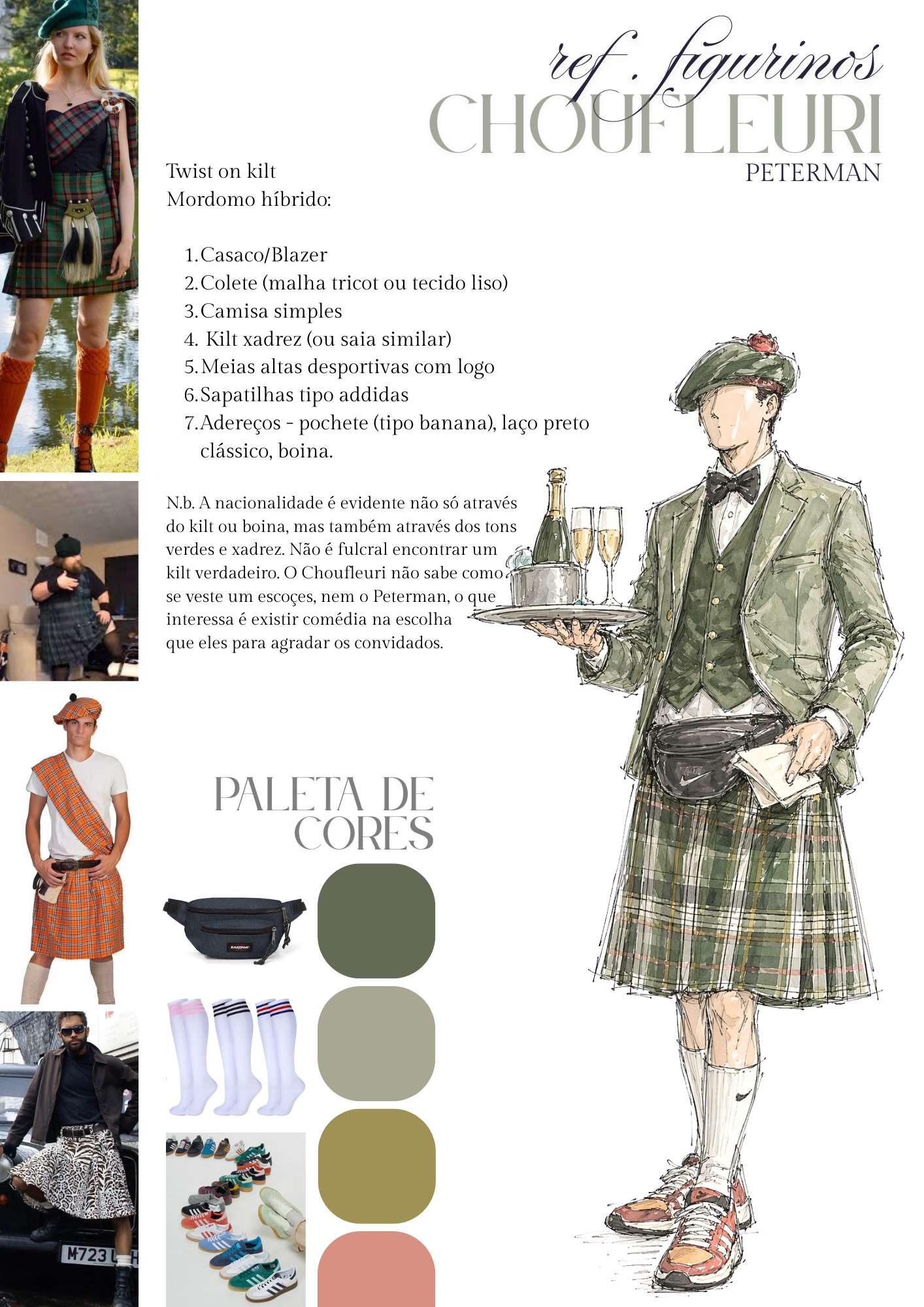
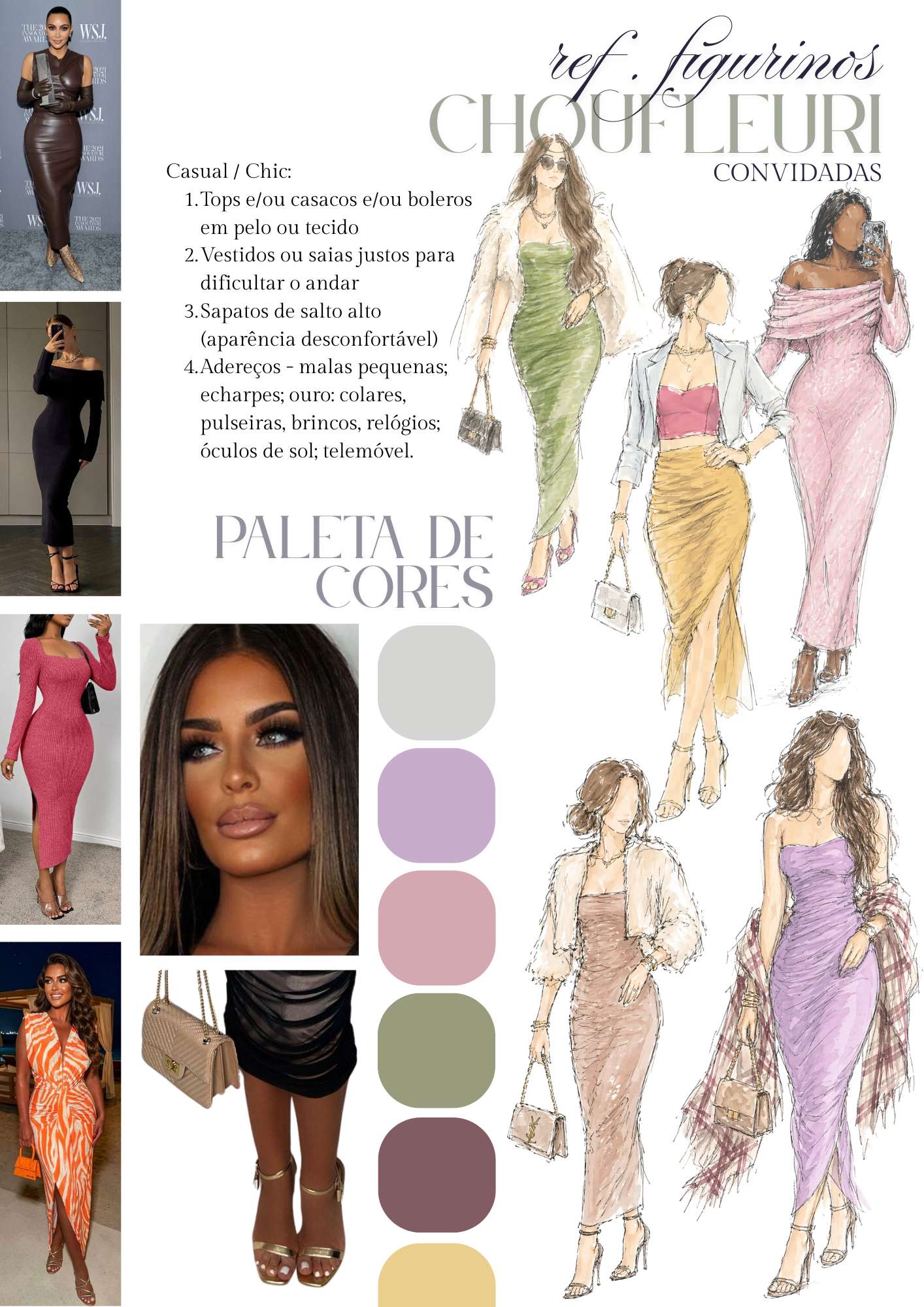

OPERETTA | Monsieur Choufleuri
Music > J. Offenbach | Libretto > Saint Rémy| Stage Director, Set & Costumes Designer > Pedro Ribeiro | Light Designer > André Stefson | Cast > Vitoria Opera Estudio: Alice Fontanella, Bruna Figueiredo, Caio Leão, Claire Rey, Helena Toro, Iuri Neery, Jonatas Meirelles, Lucas Costa, Olive Santi, Quinones Xavier, Raquel Fortes, Silvestre Lonardelli Bastos | Conductor > Gabriel Rhein-Schirato, VOE: Belquior Guerrero, Eduardo Lucas, Larissa Macedo, Lucas Luiz, Vicente Sanches, | Orchestra > Orquestra Sinfonica do Espirito Santo | Production > Tarcisio Santorio | Palácio da Cultura Sonia Cabral, Vitoria, Espirito Santo, BRZ
Pictures: © Fabio Prieto; Lorenzo Savergnini; 2026
When Offenbach and Rémy premiered “Monsieur Choufleuri restera chez lui” in 1861, audiences immediately recognized the references, accents, operatic clichés, and social obsession with big stars. More than 160 years later, much has changed, but some things remain exactly the same.
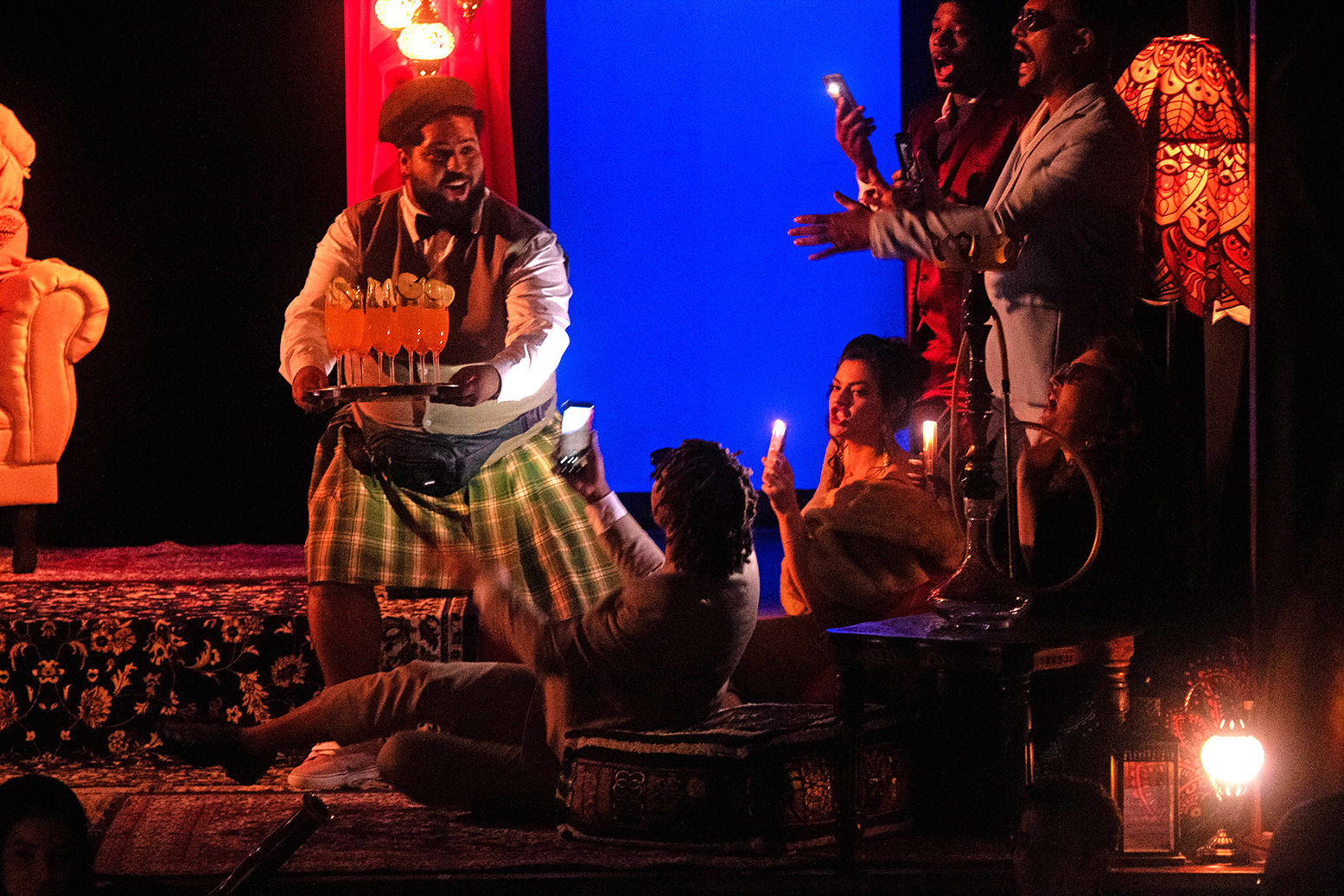
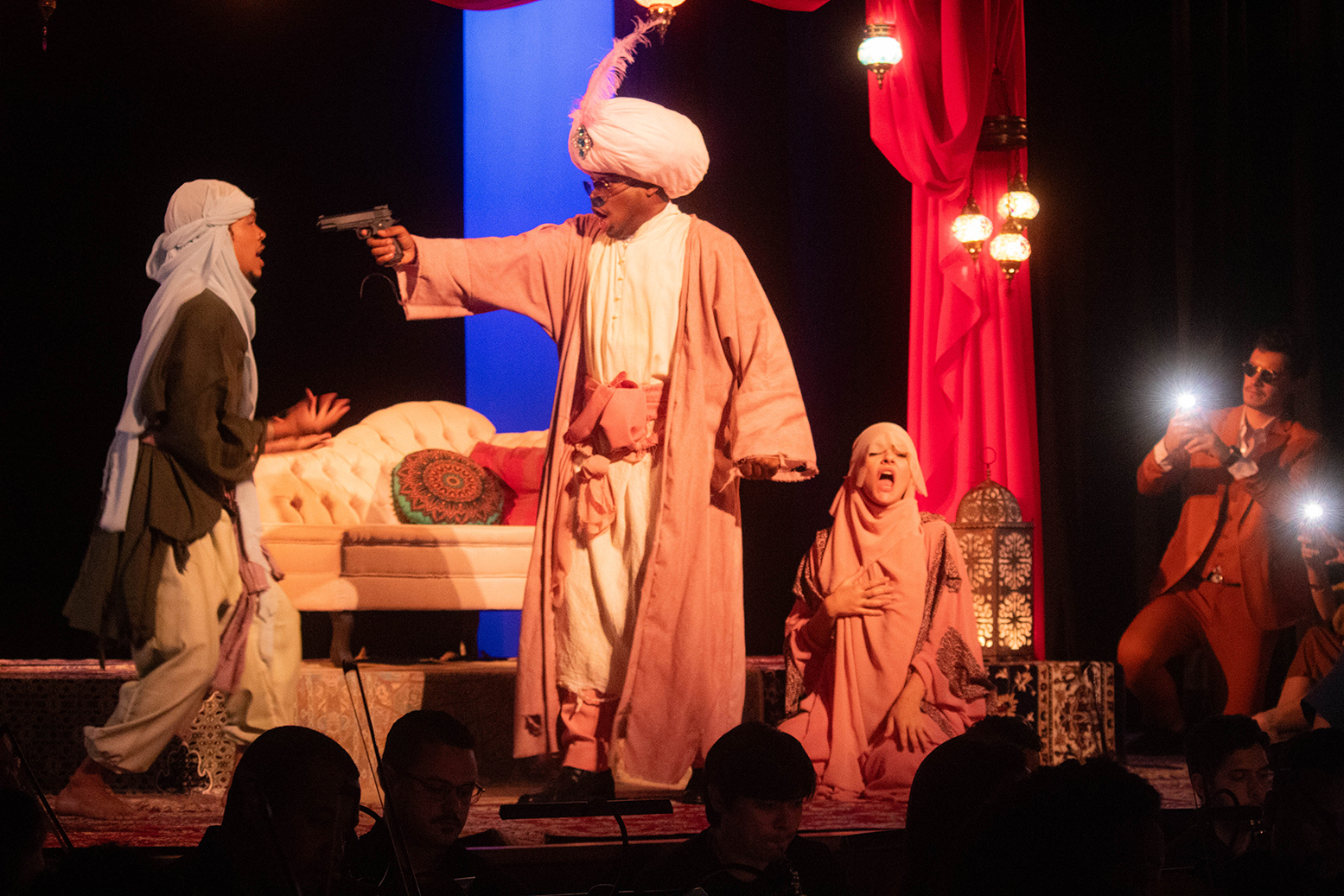
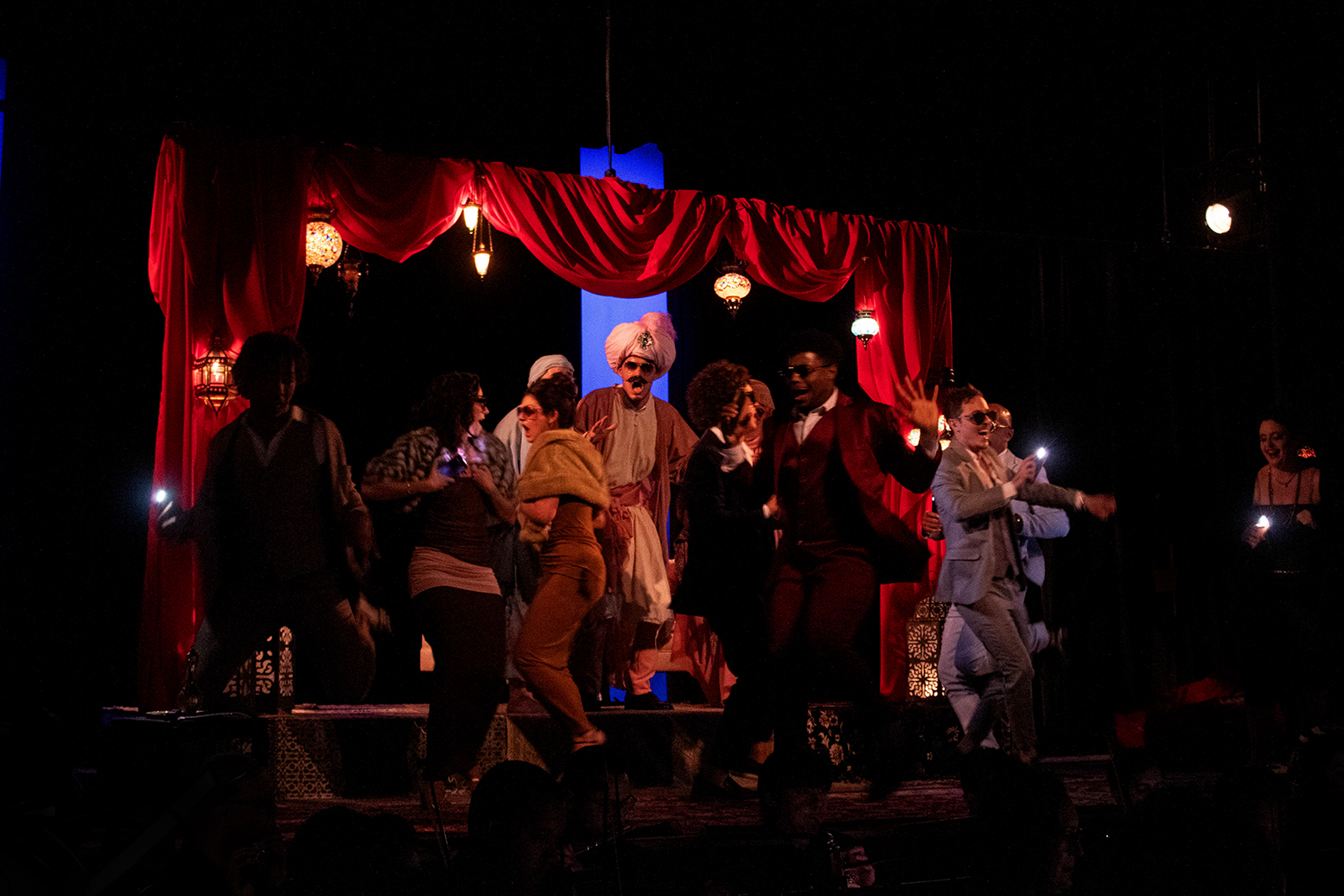
Why transport an opera to a contemporary context when it could work equally well in its original period? It’s a question I hear frequently. I don’t always consider an update necessary. There are works whose strength lies precisely in their historical distance. But in the case of social satires, however, I think the opposite. Works like “Monsieur Choufleuri…” were written for a specific audience, in a specific time, to laugh at behaviors, fads, and pretensions that they would immediately recognize in themselves and immediately on the stage in front of them. By maintaining the original period, the comedy continues to exist, of course, but self-recognition becomes more distant. By bringing the action closer to our present, we try to recover that direct impact.
For this VOE, the action was transported to a contemporary Brazilian setting, where a wealthy businessman seeks to assert his social standing by organizing an exclusive themed soirée of European opera. Just as in the 19th century, culture continues to function as a symbol of prestige and distinction for a certain elite. And as then, those who display it most are not always the ones who understand it best.
Throughout the work process, we sought to bring the work closer to the universe of the young performers who present it today and who will also be the audience of tomorrow. We maintained the singing in French, a central element of the musical identity of the work and the formative trajectory of the participants, but the dialogues were adapted to Portuguese, exploring the comic richness of the encounters and misunderstandings between languages and accents that were already present in the original text.
This operetta is a celebration of theatrical illusion itself. The guests believe what they want to believe; artists pretend to be who they are not; the host plays an idealized version of himself. And for a time, everyone is right. Ultimately, theater and opera also thrive on this silent pact between the performer and the one who accepts being transported to another reality. Between social satire and homage to the transformative power of imagination, “Monsieur Choufleuri…” reminds us that the boundary between authenticity and representation is much thinner than we would like to admit.
Stage director programme note