Stage Direction, Set & Costumes Design
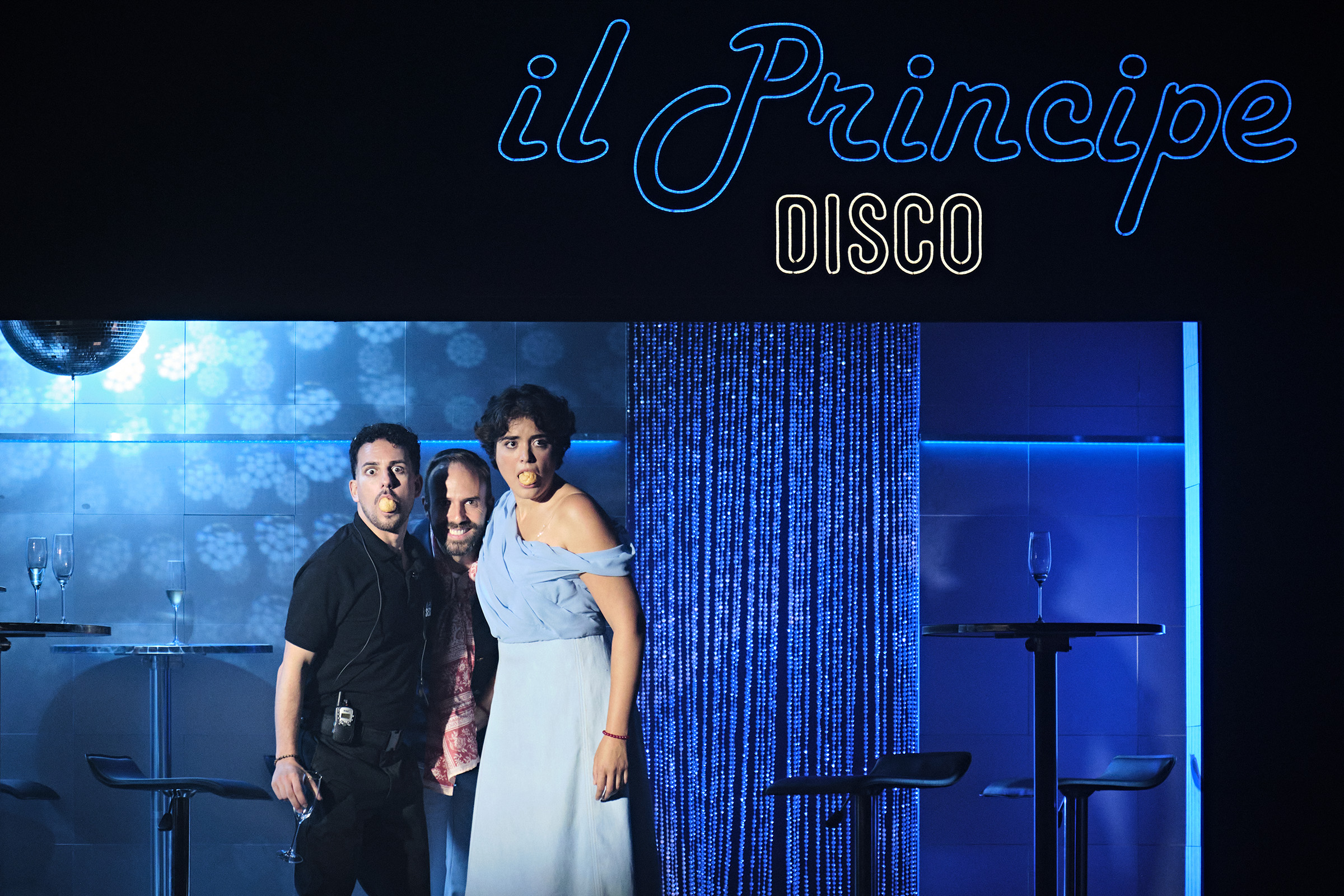
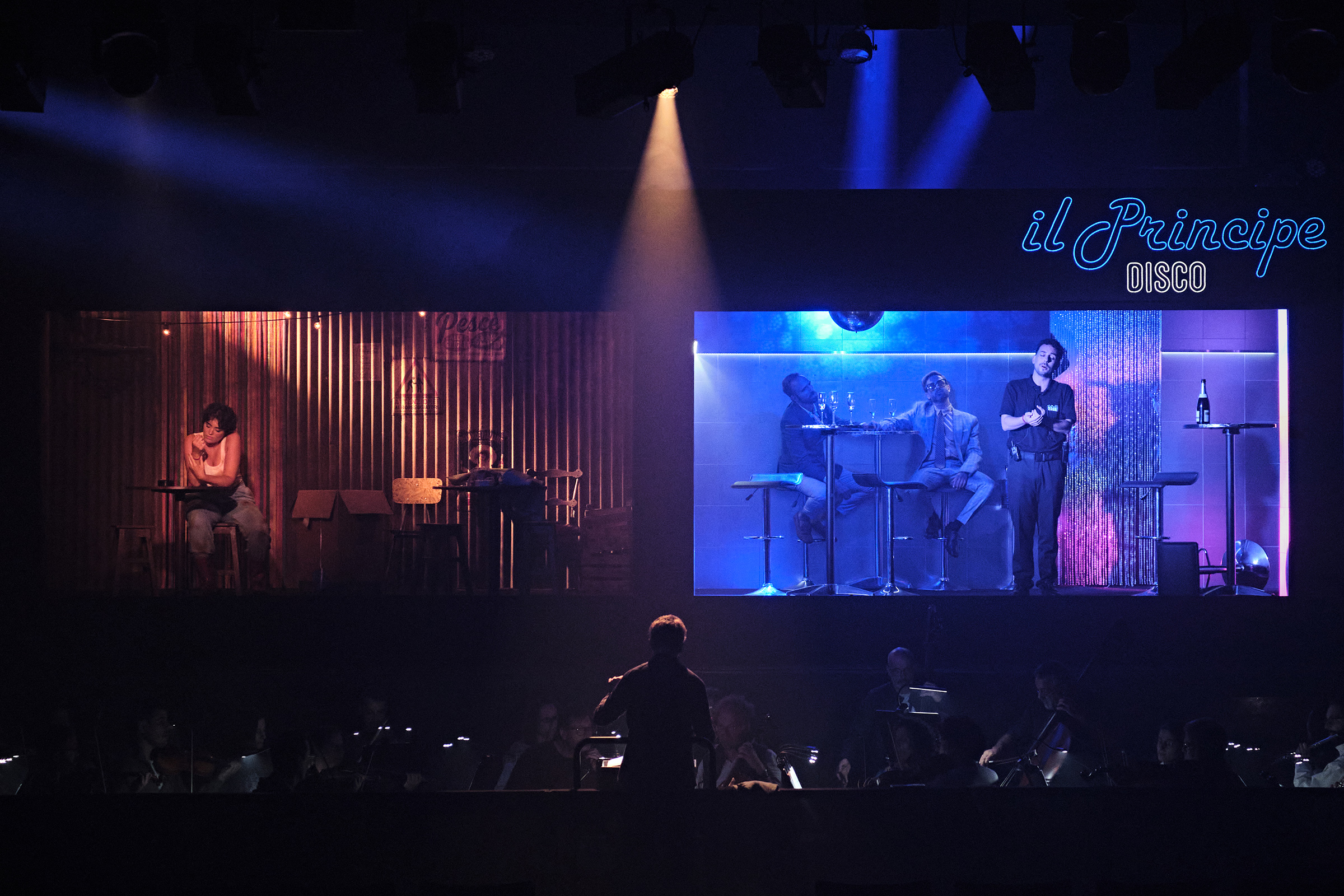
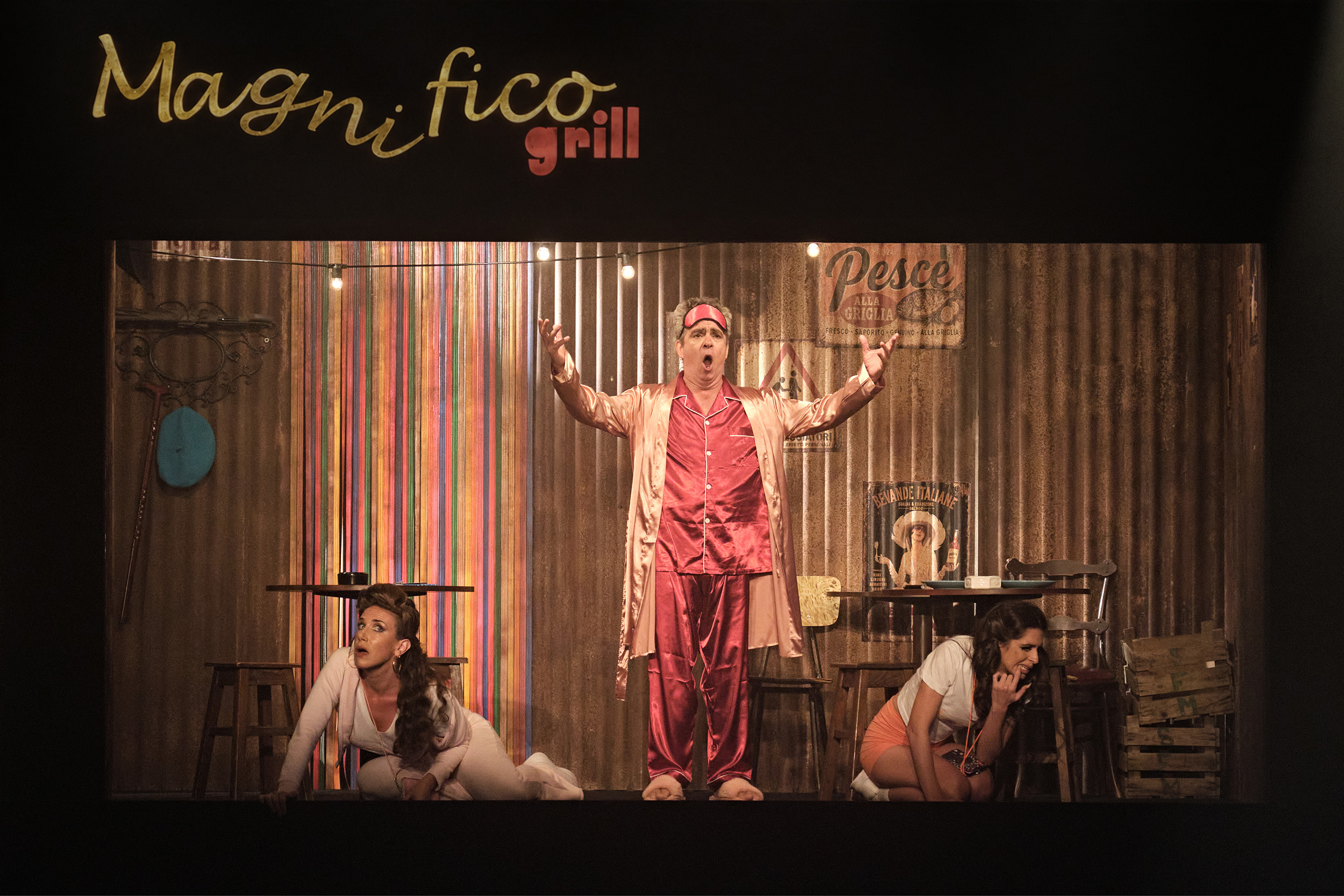
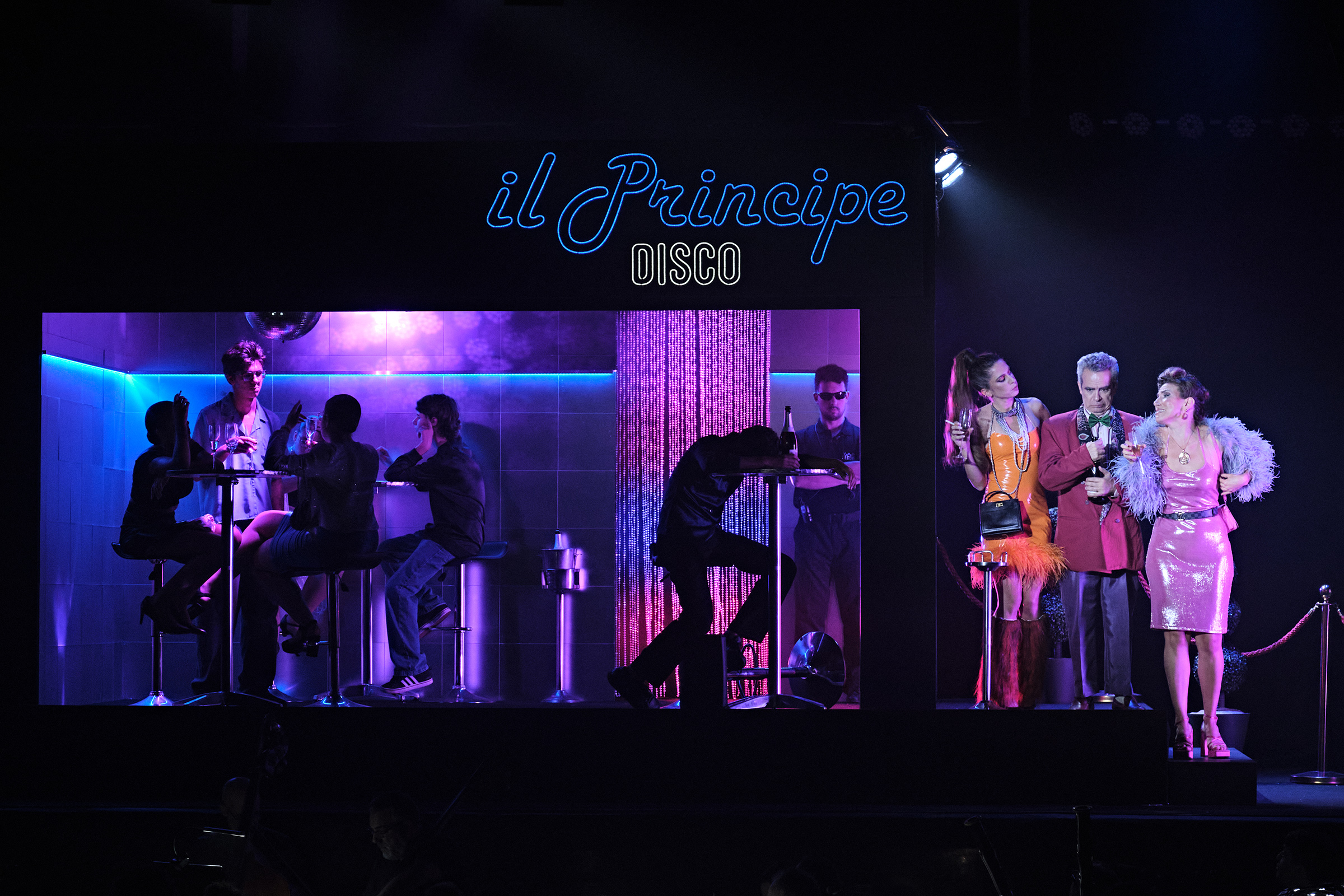



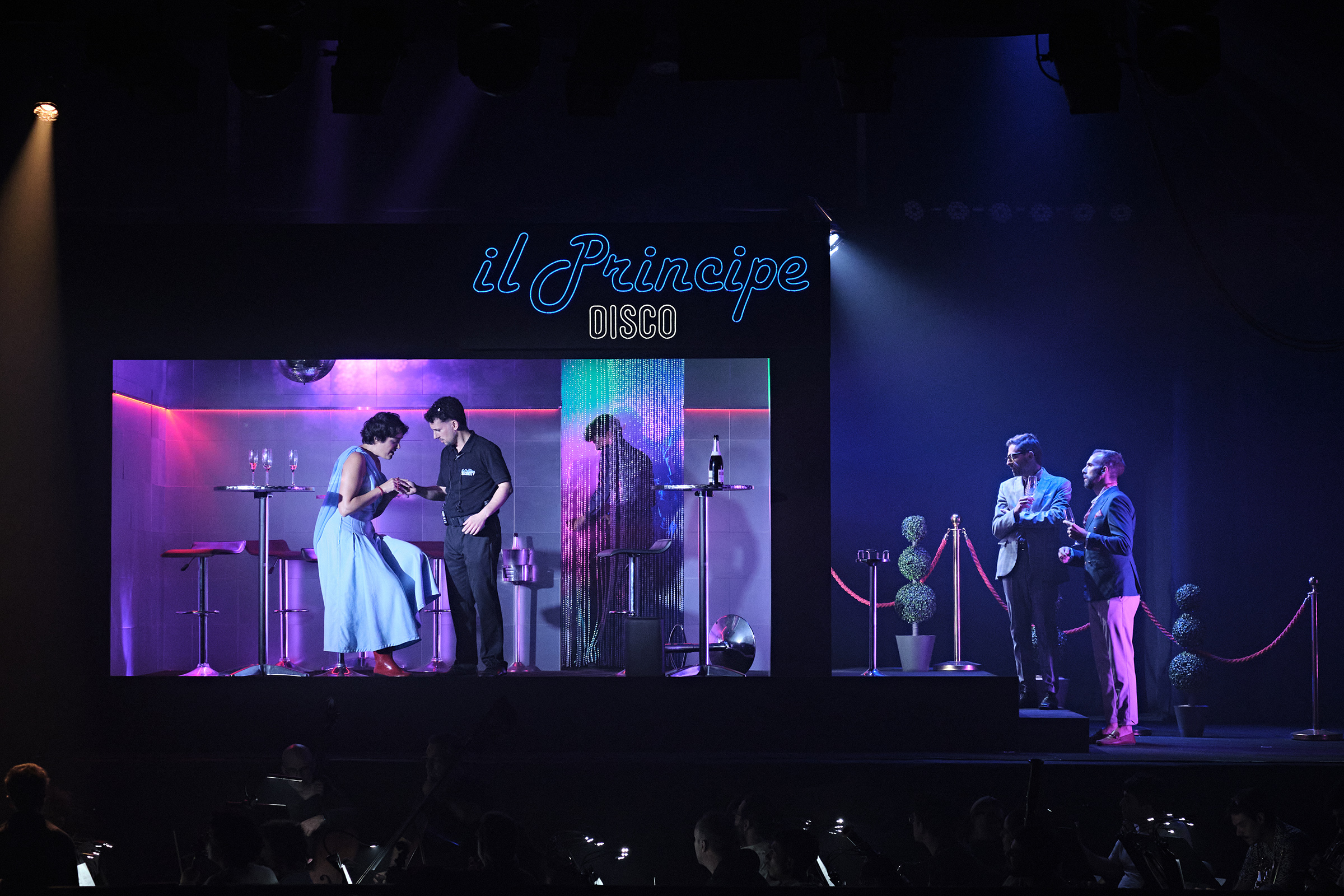
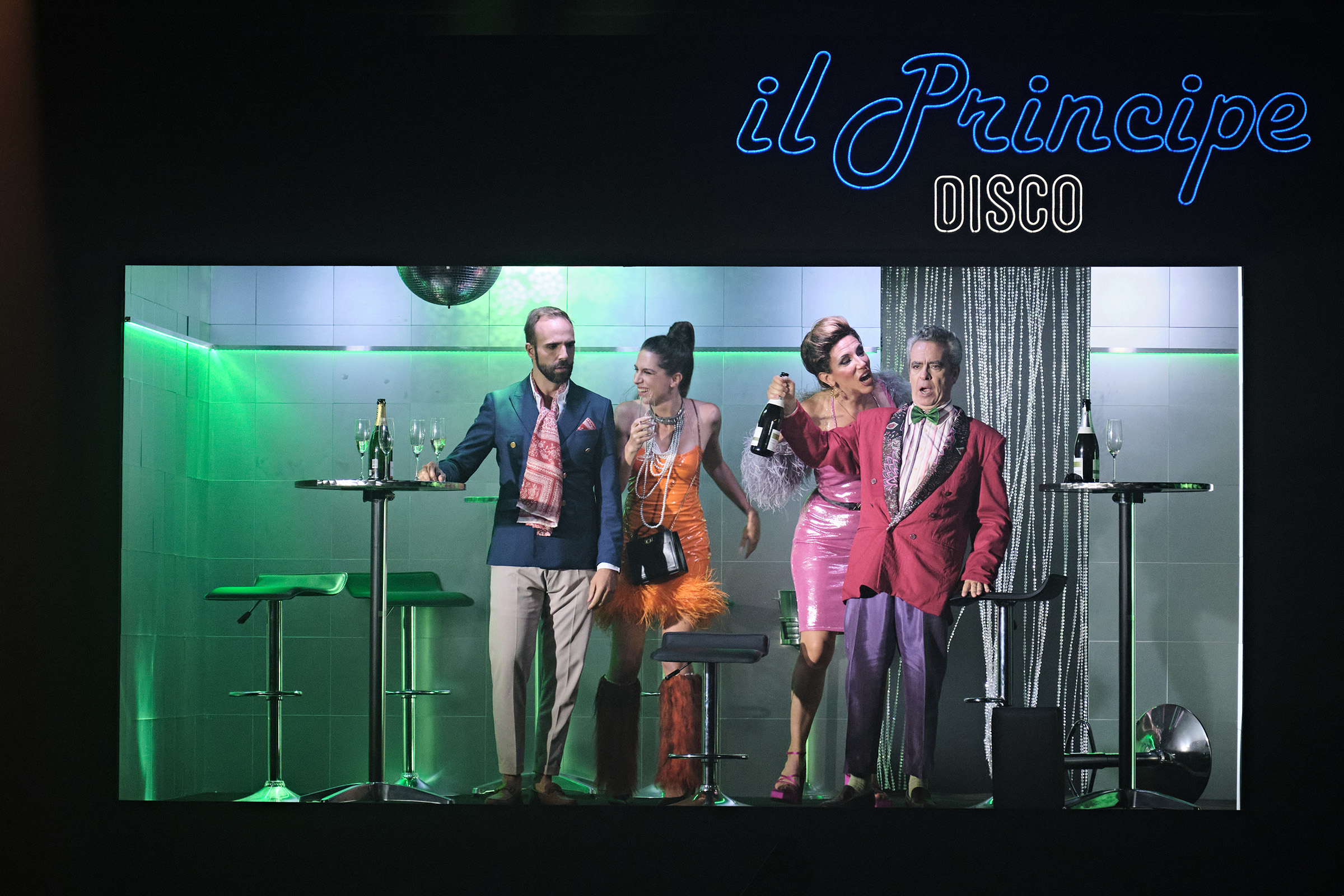
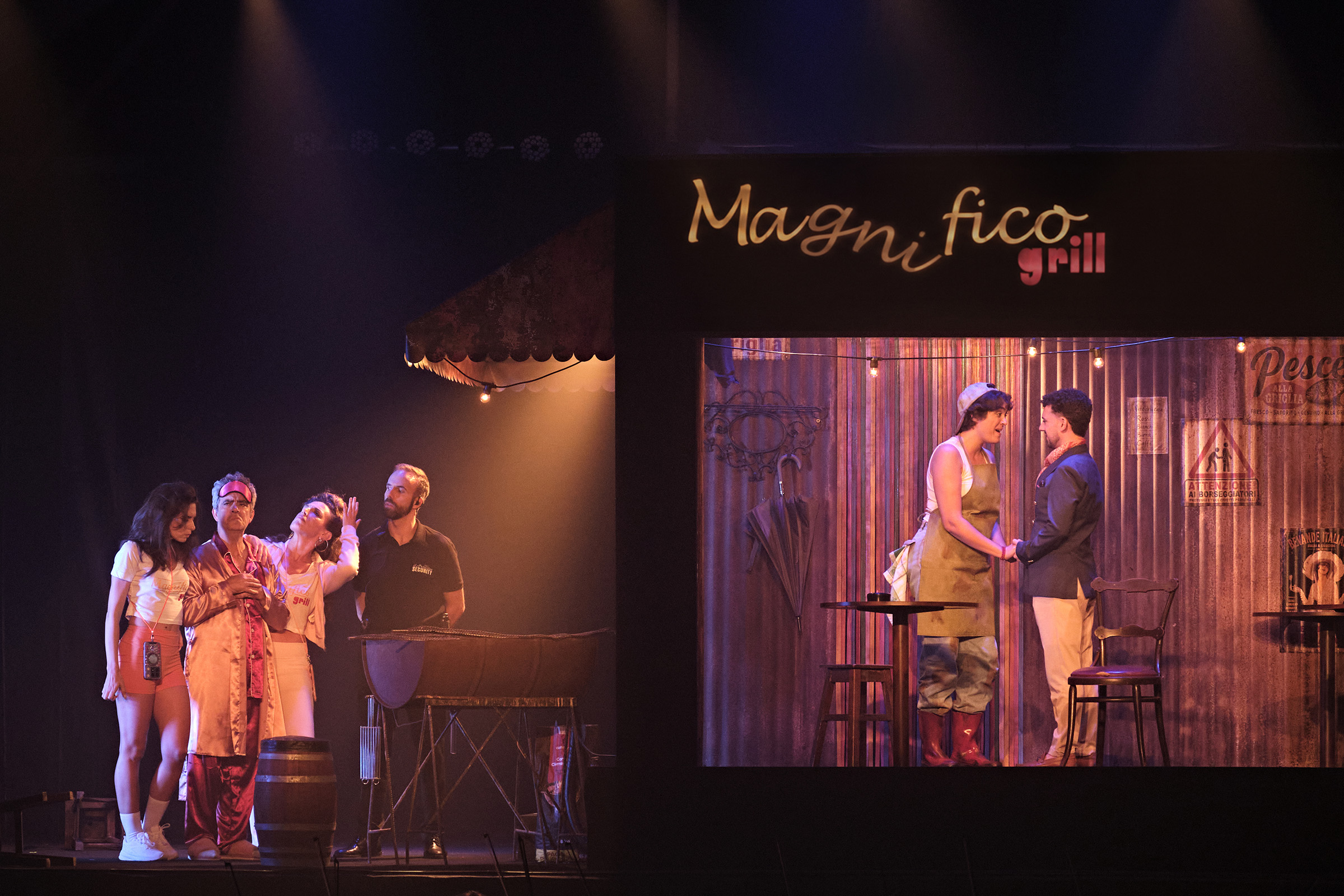
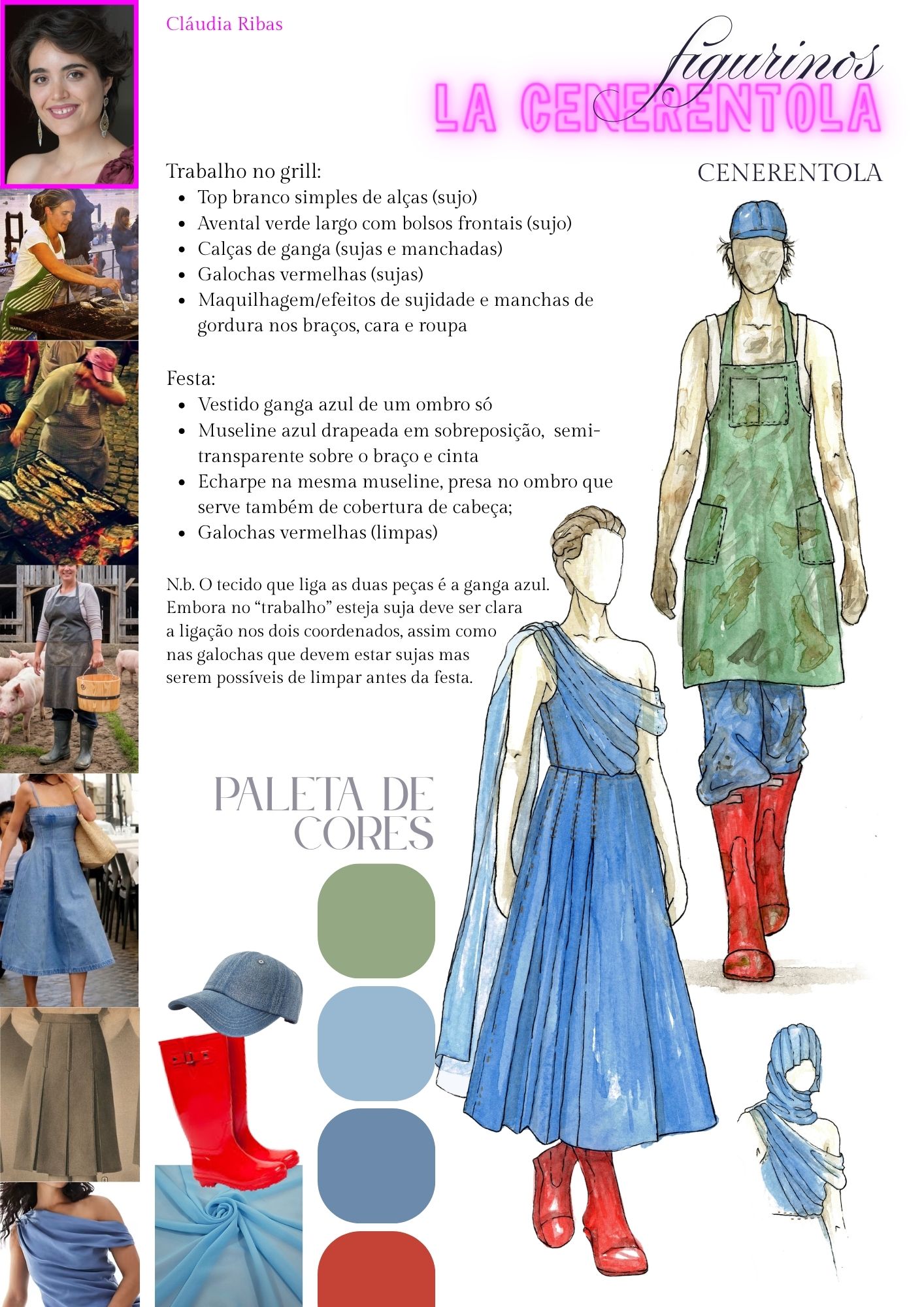
Visual Imagery & Sketches








OPERA | La Cenerentola
Music > G. Rossini | Text > J. Ferretti | Stage Direction, Set & Costumes Design > Pedro Ribeiro | Conductor > Julia Jones | Light Design > Pedro Abreu | Angelina > Claudia Ribas, Ramiro > João Terleira, Dandini > Tiago Matos, Magnifico > Luis Rodrigues, Alidoro > Tiago Amado Gomes, Clorinda > Sofia Marafona, Tisbe > Mariana de Sousa | Recits > Pedro Lopes | Orchestra das Beiras | Production Festival de Ópera de Óbidos 2026 | Pictures: © Susana Neves 2026
“To be greater than the throne itself.”
We live in a time obsessed with appearances. We are invited to construct an image of ourselves: what we show, what we wear, what we consume, what we post, where we are, the people we are seen with…
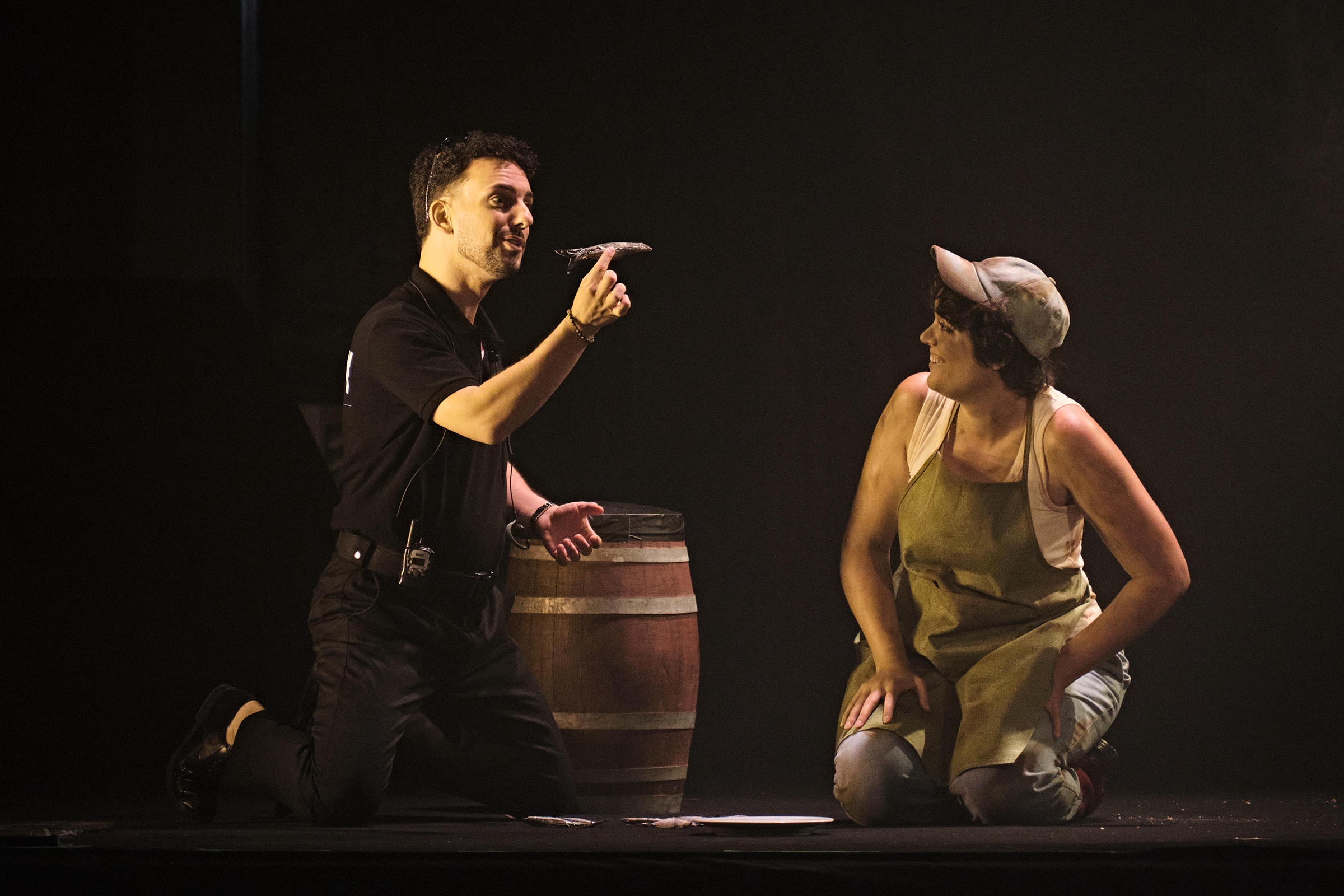
The stories of Cinderella endure because, at their heart, they are the story of someone whom nobody sees. Someone who works, serves, is humiliated, pushed “into a corner”, yet preserves something that others have lost: the ability to understand others. Rossini and his librettist, Jacopo Ferretti, make the first proof of this a gesture as simple as offering food to a stranger. There is no fairy godmother, no magical transformation, no glass slipper. They strip the story of almost all supernatural fantasy and turn it into a comedy of appearances and power.
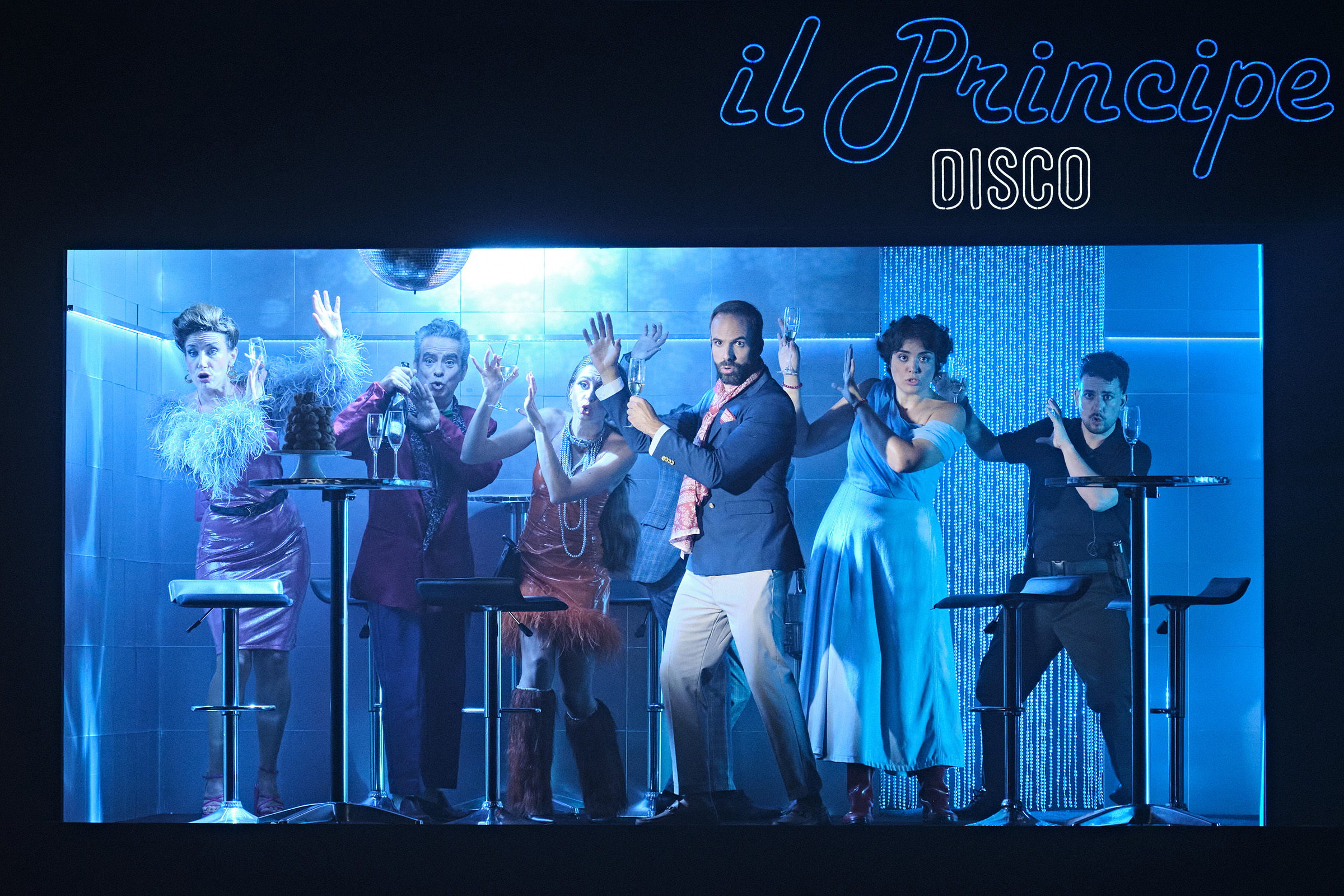
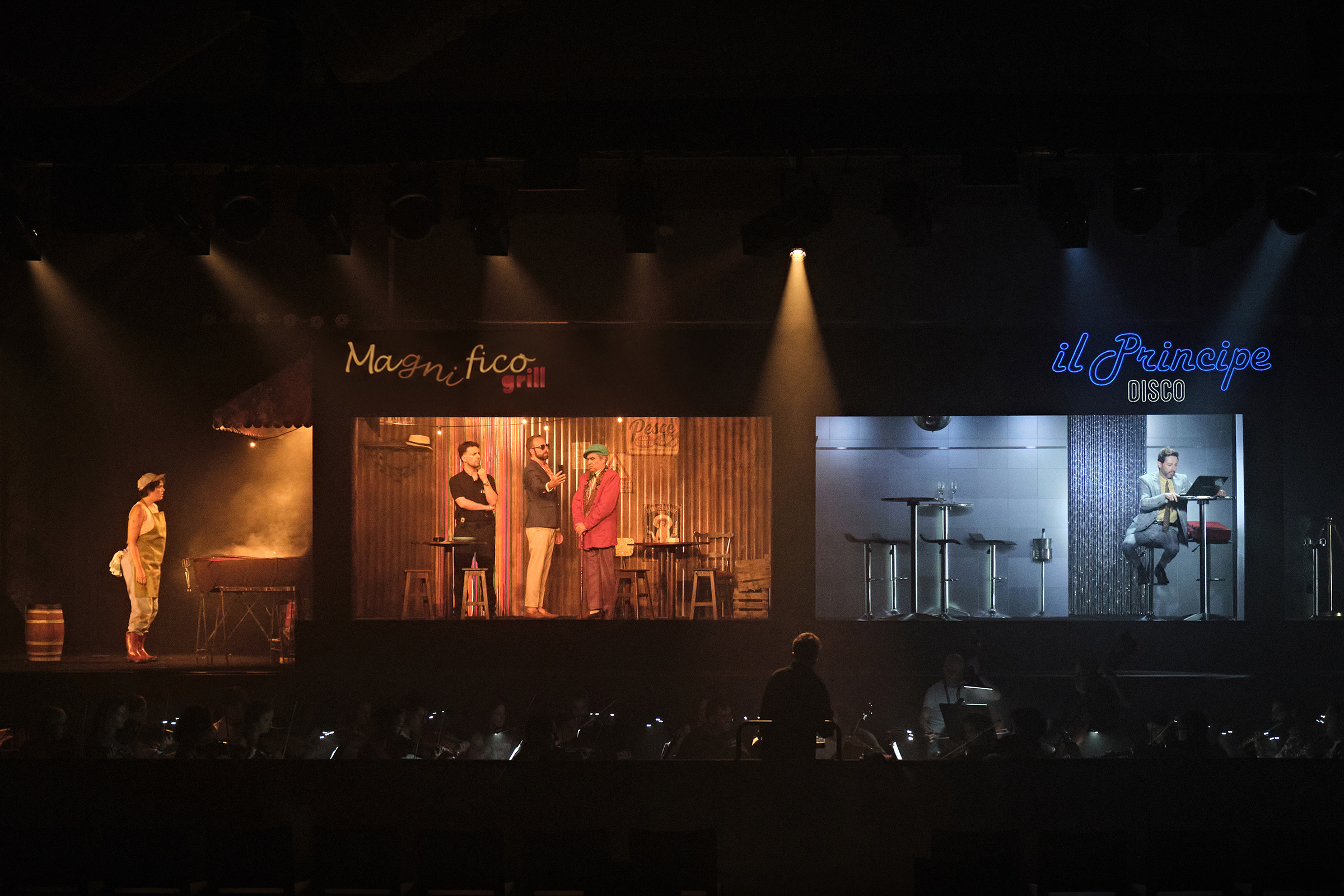
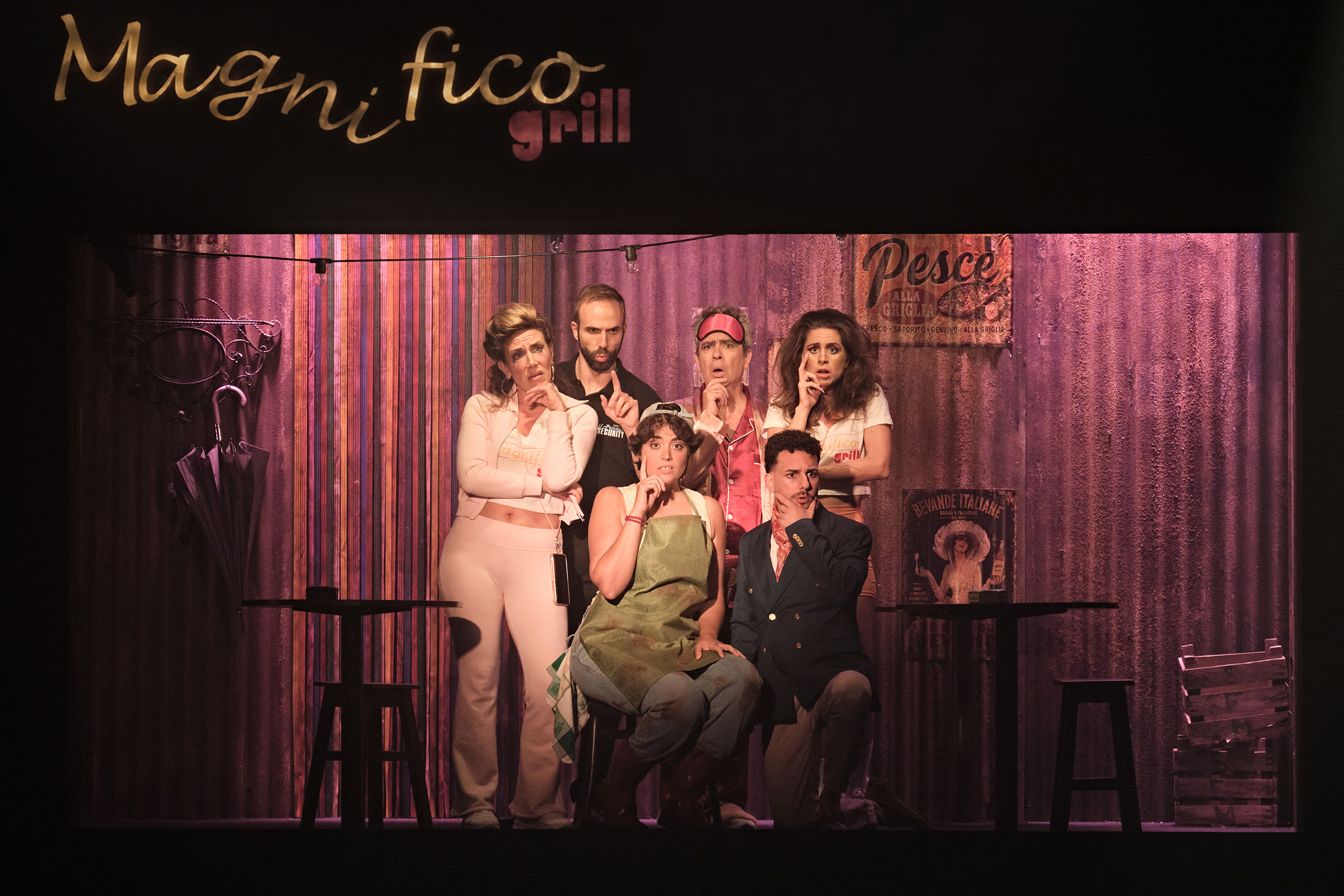
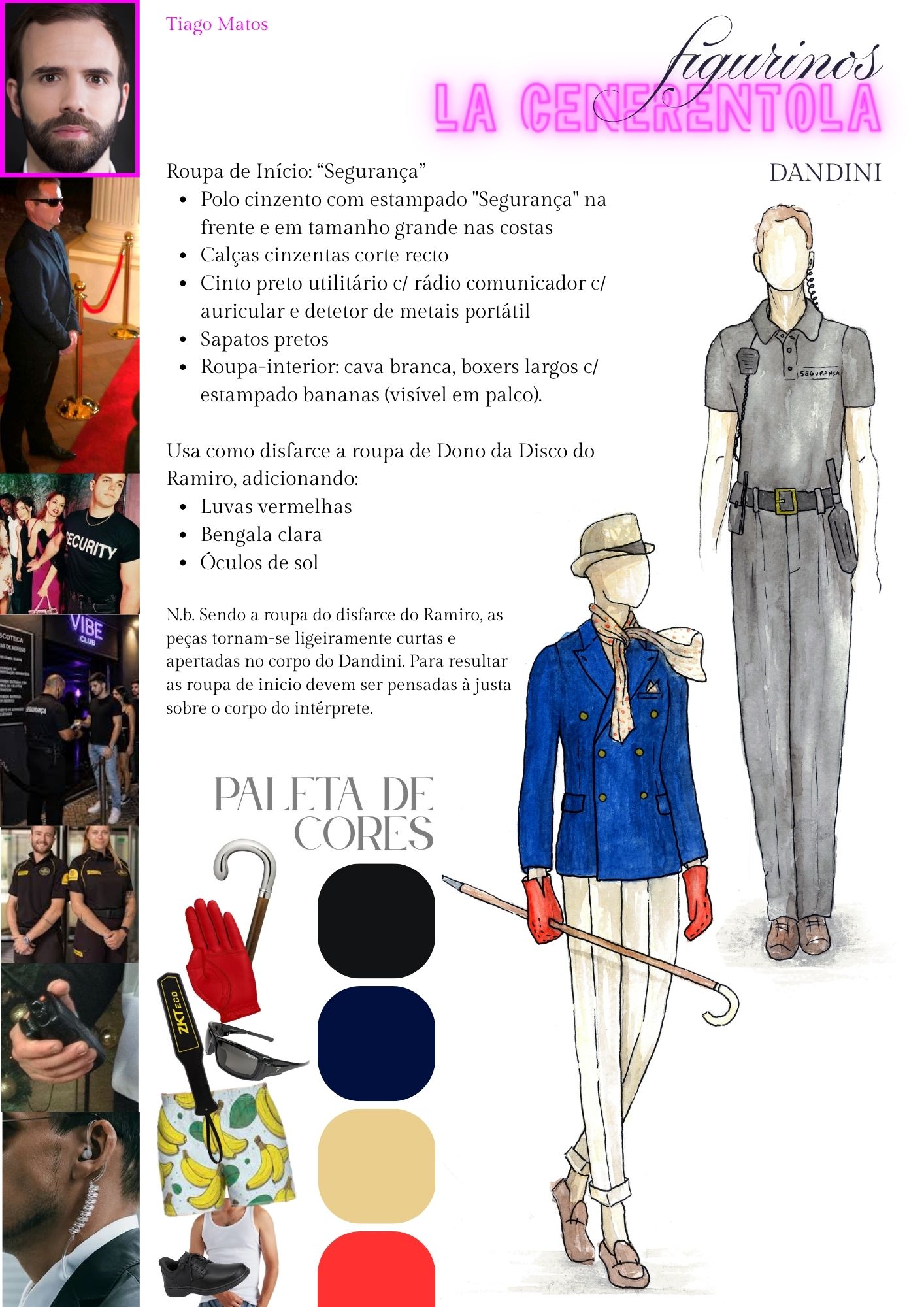
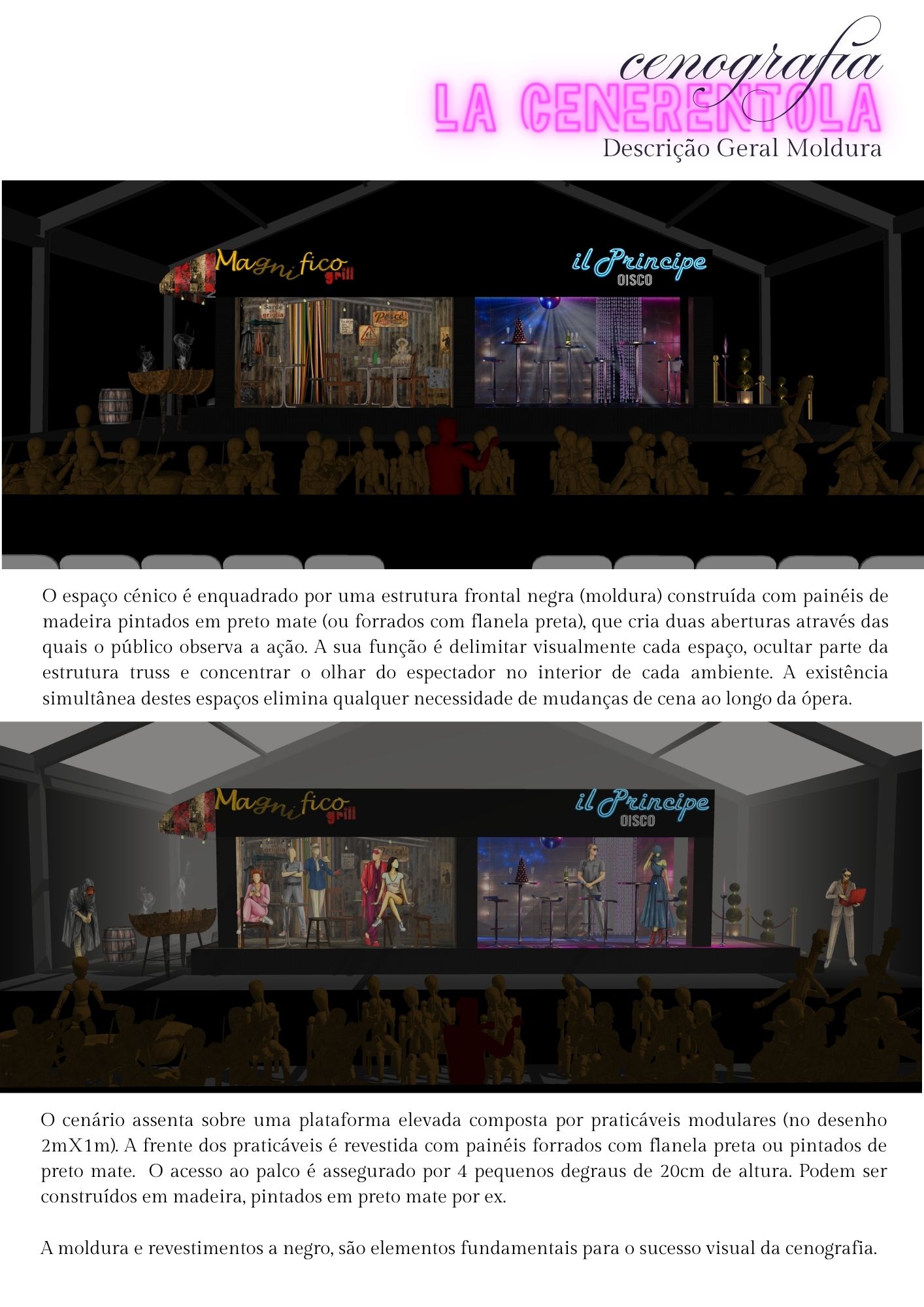
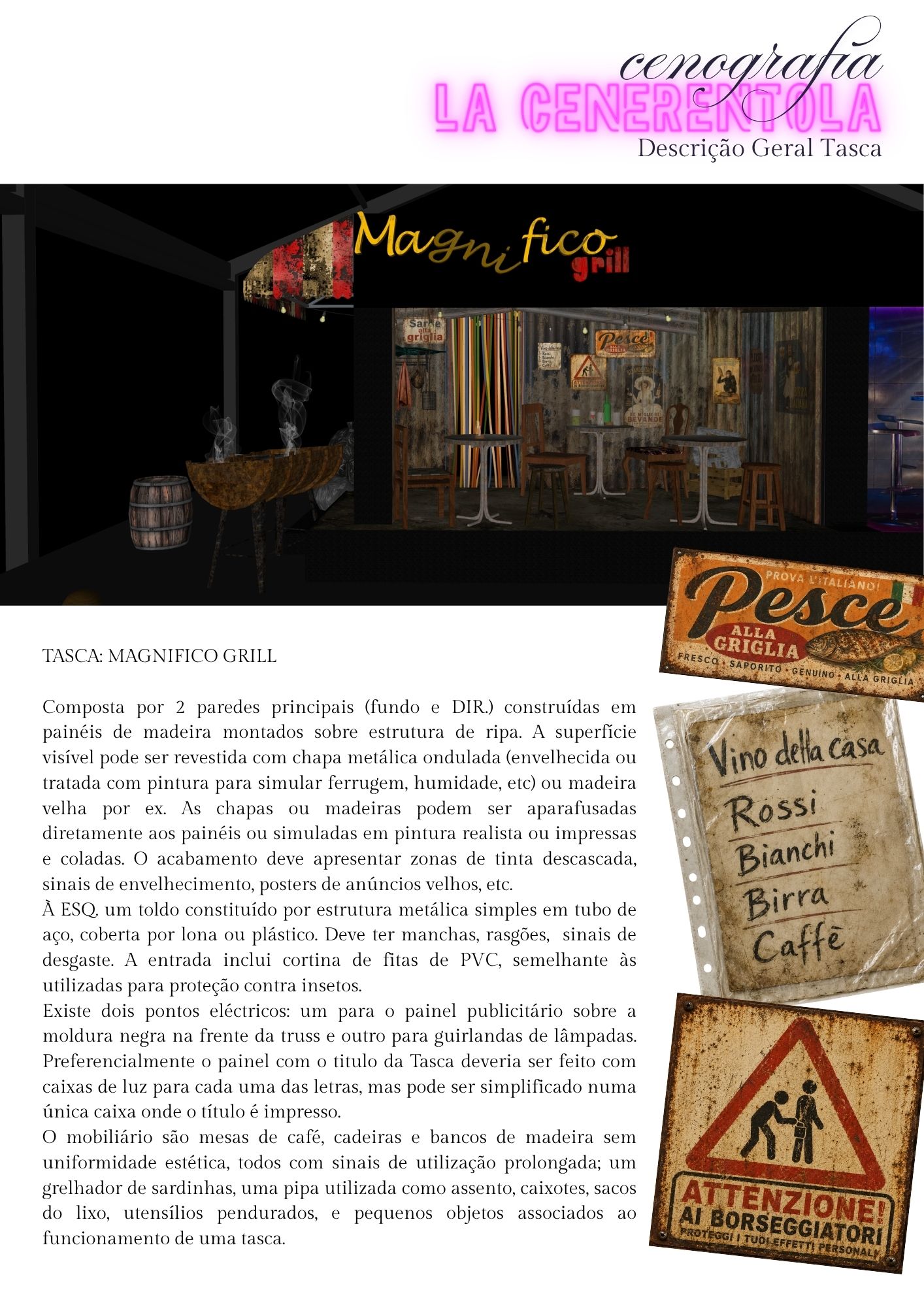
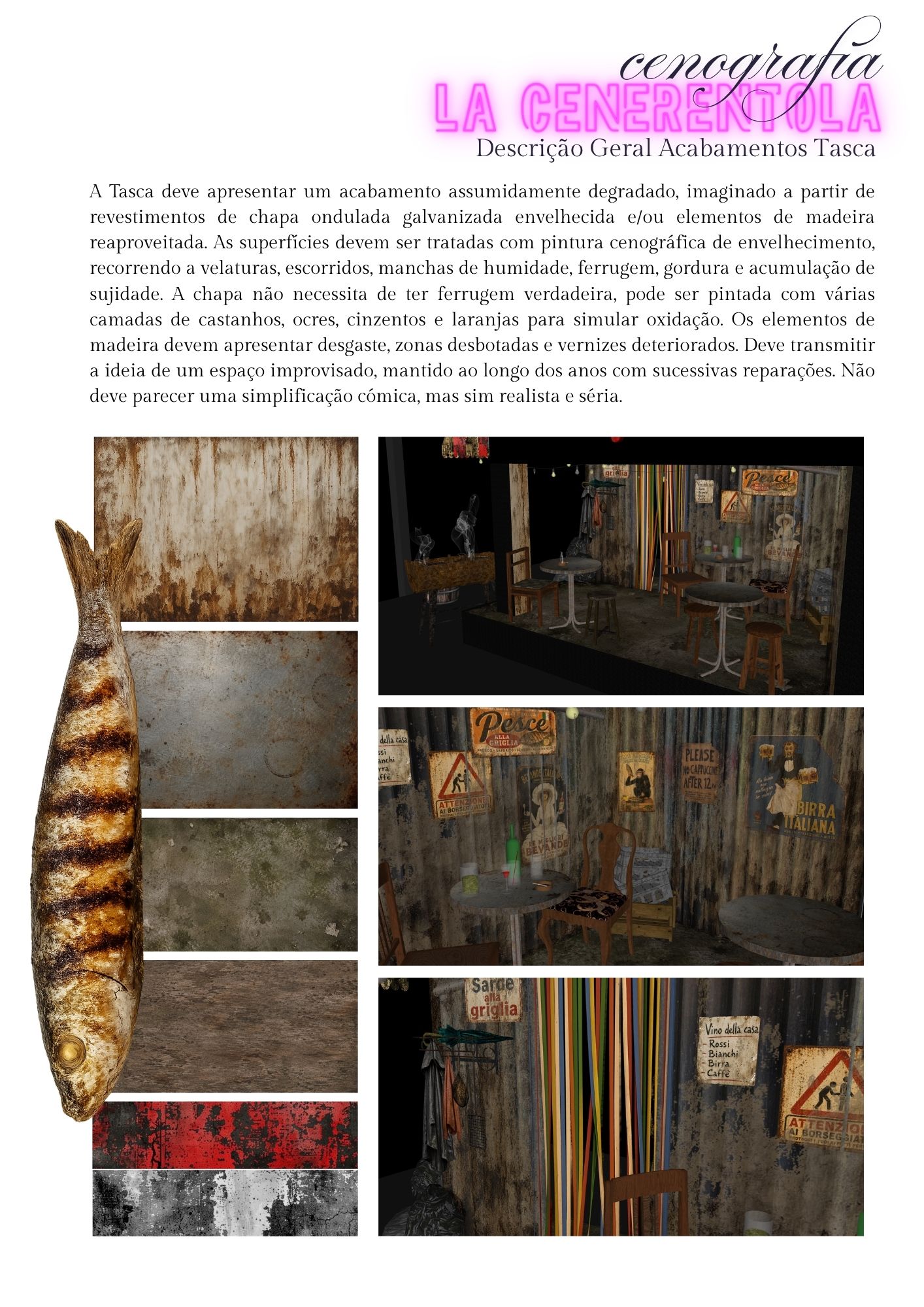
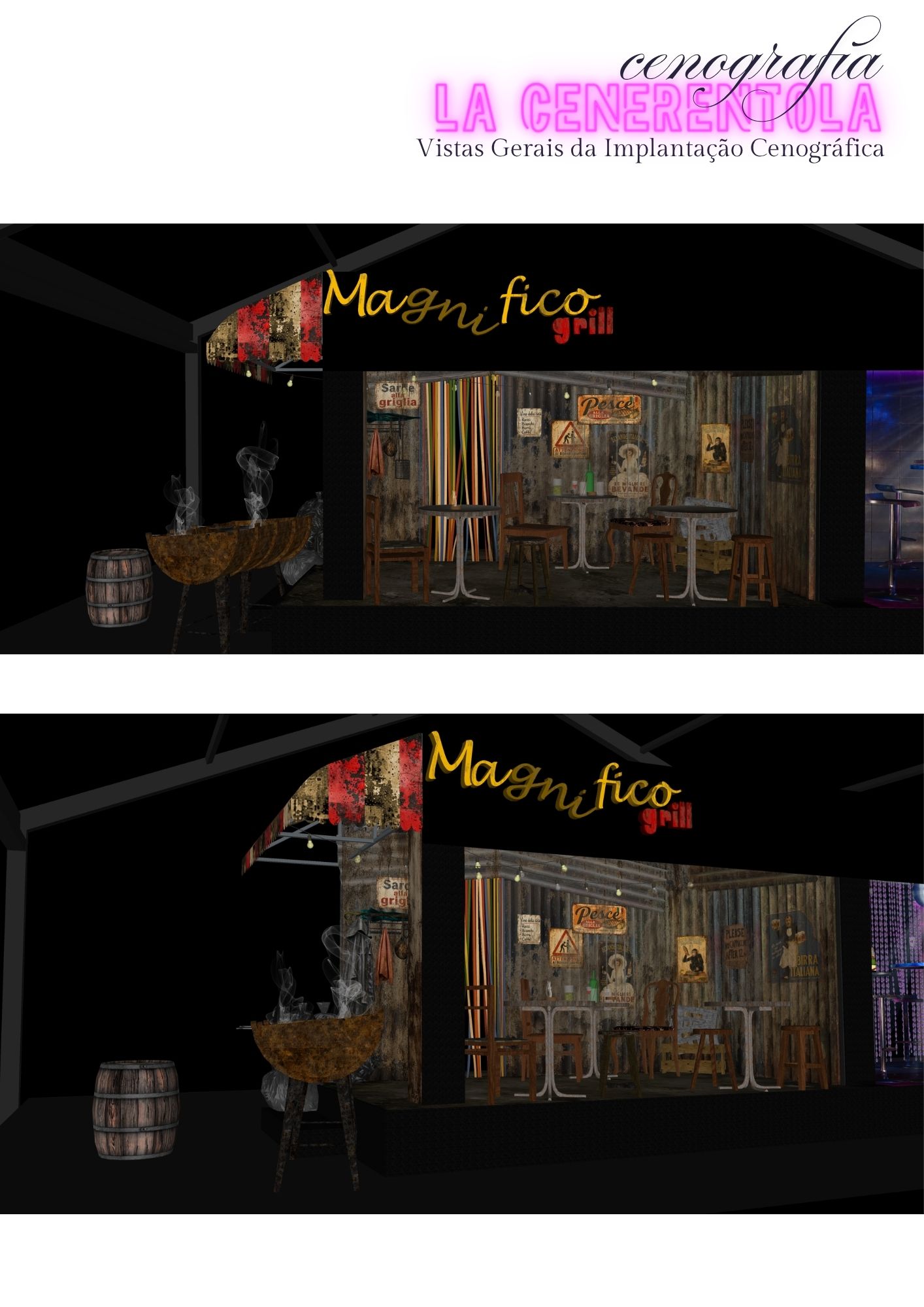
Our Cinderella lives in 2026. She and her sisters work in a tavern that has seen better days (much like a castle in ruins). On the other side, a nightclub: a stage of light, music, mirrors and desire, where everyone can experience being whoever they would like to be (much like a millionaire’s palace). The tavern and the nightclub are two worlds that exist side by side and are not so far apart… because, after all, the desire for a better life does not necessarily have to include an unrealistic palace filled with servants. It could be a small house with air conditioning and a garden.
I did not want this story to focus on a poor girl who is transformed into a princess, falls in love with a prince, and lives happily ever after. Here, kindness is neither passivity nor submission, and true victory does not lie in conquering the throne, but in what one chooses to do once one reaches it. What triumphs in the end is not “romantic love”, but the ability to forgive and understand those who have wronged us.
It is a classic idea, repeated across the world, and yet one that we need to keep reminding each other of. It is a simple, naïve story that confronts us with a choice that remains difficult. When we have the possibility of giving others back what they have done to us, do we choose revenge, or are we capable of being greater than the injustice itself?
This is the “triumph of kindness.”
Pedro Ribeiro